
- Air Conditioning / Heating
- Compressor
- Compressor Clutch
- A/C High Pressure Compressor Cutoff Switches & Heater Core
- A/C Low Pressure Compressor Cutoff Switches & Heater Core
- Evaporator Core
- Condenser
- Field Coil
- Accumulator
Your engine can overheat even when the coolant reservoir is full because coolant levels alone don’t confirm that the cooling system is working properly. Maybe it’s a stuck thermostat or trapped air preventing the engine from releasing heat. The cause matters because continued driving with an overheating engine can lead to serious damage. Here’s what to check and when to stop driving.
Your car’s cooling system does more than store coolant. It circulates fluid through the engine and radiator to carry away excess heat. If a component fails, the engine can overheat even when the coolant reservoir is full.
A small coolant leak can be difficult to spot, especially if the fluid level barely drops. However, it can introduce air into the system, creating pockets that restrict coolant flow and trap heat inside the engine.
A stuck thermostat or clogged radiator can cause similar problems by preventing coolant from circulating as it should. Identifying the fault early can help prevent serious engine damage.
Wondering how long an automotive warranty lasts? Read our guide to automotive warranty terms to learn what coverage periods mean and what your contract may include.

Your radiator fan helps remove heat from the radiator, especially when your car is idling or moving slowly. If it fails to switch on, the engine temperature can climb even when the coolant level is normal.
A faulty fan motor, relay, or temperature sensor can prevent the fan from operating when needed. You may notice the temperature gauge rising or an engine temperature warning appearing on your dashboard.
Airflow at highway speeds helps cool the radiator, but a faulty fan can still contribute to overheating. If the temperature keeps climbing, stop safely and switch off the engine to prevent further damage.
Your engine needs more than a full coolant reservoir to stay cool. The water pump keeps coolant moving through the engine, radiator, and hoses, carrying excess heat away. If the pump fails, coolant circulation can slow or stop, allowing engine temperatures to rise.
Worn impeller blades or a failing bearing can prevent the pump from moving coolant effectively. A damaged pump seal may also cause a coolant leak near the front of the engine, sometimes before the temperature gauge shows a problem.
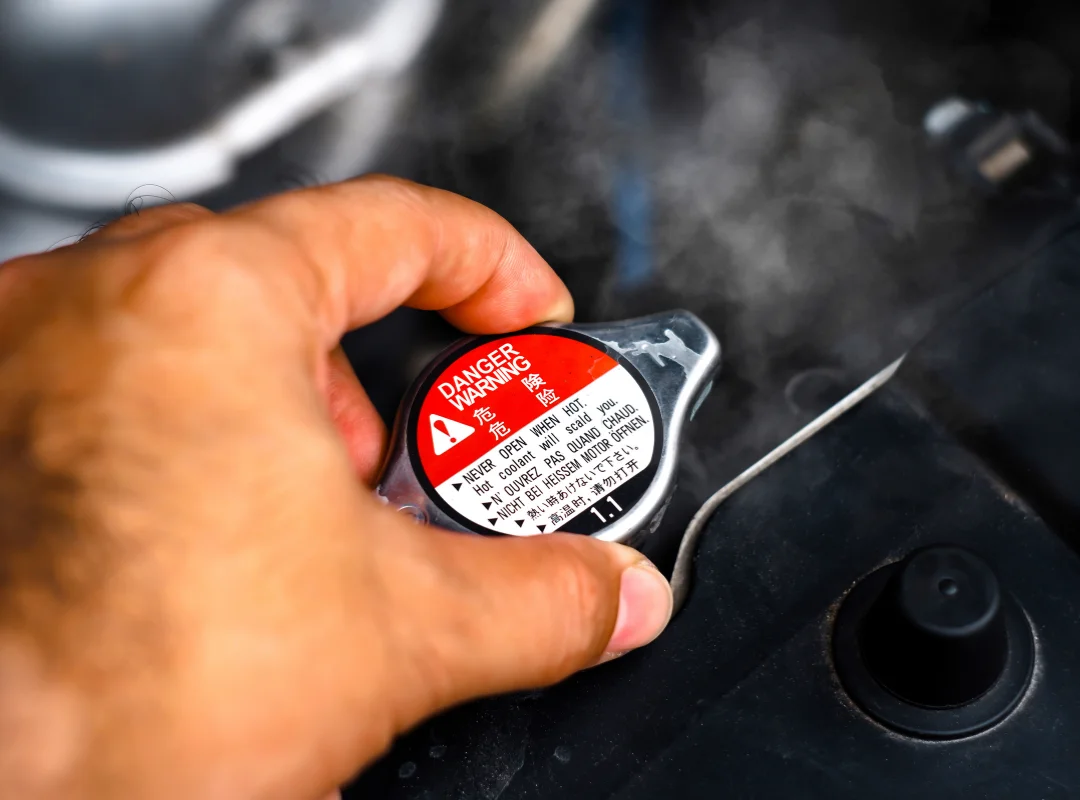
Your radiator cap maintains the pressure needed to raise the coolant’s boiling point. If the cap is loose, cracked, or worn, the system may lose pressure, allowing coolant to boil sooner or escape through the overflow.
As coolant escapes, the engine may overheat even if the reservoir initially appears full. A faulty cap is a relatively simple issue to check, and replacing it may resolve the problem if it is the cause.
If you’re exploring extended car warranty options, contact Nova Warranty to discuss available plans and their coverage terms.
Your car’s heater core uses hot engine coolant to warm the cabin, but a blockage can restrict coolant flow through the system. Depending on the severity of the restriction, this can contribute to engine overheating even when the coolant level looks normal.
Weak heat from the vents is one clue that the heater core may be clogged. A sweet smell inside the cabin can point to a coolant leak, especially if the windows begin to fog or the passenger-side floor feels damp.
These symptoms can help narrow down the cause, but a mechanic should inspect the cooling system to confirm the fault.
The heater core is part of the cooling system of your car. Coolant passes through it when you turn on the heat. If it’s clogged, it can slow down coolant flow. That can trap excess heat in the engine of your automobile and push the engine temperature above the normal operating temperature. You may also notice weak cabin heat or a sweet smell inside the car from a coolant leak.
Engine oil reduces friction between moving parts and helps carry heat away from engine components. When the oil level is too low, or the oil has degraded, friction increases and can push engine temperatures higher. This can worsen an overheating problem even when the cooling system has enough coolant.
Check the oil level using the dipstick and top it up with the oil specified for your vehicle if needed. If the oil is overdue for a change, follow the manufacturer’s maintenance recommendations. Keeping oil at the correct level helps protect engine components, but it won’t resolve overheating caused by another fault.
Even with the coolant reservoir full, trapped air can block the flow of the coolant. Air pockets can form after a coolant leak, a repair, or even from a bad radiator cap.
When the coolant can’t move freely, the operating temperature rises. You’ll see the temperature gauge move past the normal operating temperature, and the car is overheating. Bleeding the coolant system removes trapped air and restores easy flow of the coolant.
Sometimes, the engine temperature gauge or sensor lies. A faulty sensor can trigger the temperature warning light when the engine isn’t actually overheating.
But here’s the tricky part: a bad reading can also keep the radiator fan from turning on. That’s the real problem, because that means the engine temperature really will rise, and you’ll have an overheated engine for real.
And if you already have a plan in place, what steps should I take if I need to file a claim with my auto warranty provider? Will walk you through the process.
If hot air stays in the car’s radiator instead of venting out, the car’s cooling process slows down. That can happen if the radiator fan isn’t doing its job or if debris blocks the fins. Cleaning the radiator and checking airflow can help the engine cool quickly and stop car overheating-related issues.
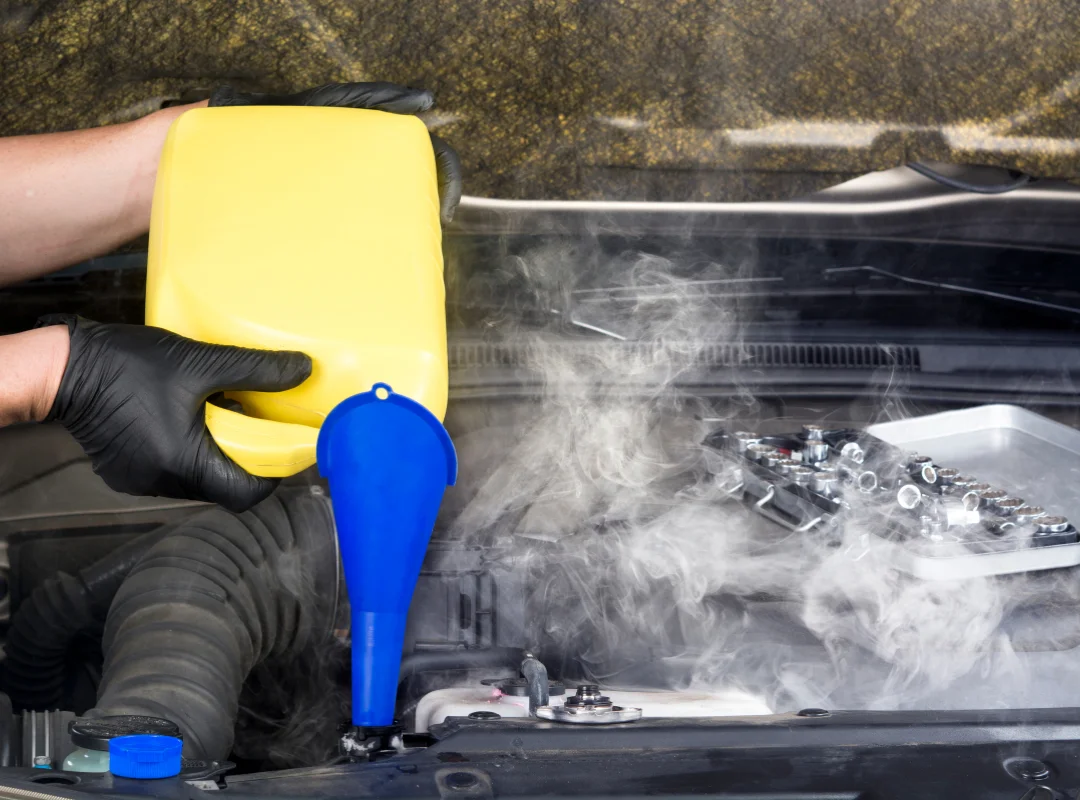
Some leaks don’t leave puddles. Coolant can escape into the engine or might evaporate before hitting the ground. Even with the coolant reservoir topped up, the coolant system of your car won’t handle excess heat if it’s losing fluid inside.
Operating Temperature Climbing Too Fast
If the temperature of your car engine shoots up minutes after starting, something’s wrong.
Your vehicle’s cooling system should keep the engine temperature near the normal operating temperature once warmed up. If it can’t, you risk an overheated engine and severe damage.
Keeping the engine of your car cool starts with watching the temperature gauge. If you see the temperature warning light or notice the car overheating, pull over immediately and safely.
Fresh engine oil, a clean radiator fan, and a working coolant system go a long way to prevent engine overheating. Address all the small issues before they turn into a major overheated engine repair.
Nova Warranty offers two vehicle protection plans for eligible new and used vehicles across a wide range of makes and models. Plans can help protect against eligible repair costs after the factory warranty ends, subject to the selected contract’s terms, limits, and exclusions.
Supported makes include American brands such as Chevrolet, Tesla, Lincoln, Cadillac, Ford, Dodge, GMC, Buick, Chrysler, and Jeep; European manufacturers such as BMW, Mercedes-Benz, Audi, Volkswagen, Volvo, Porsche, Aston Martin, Jaguar, Land Rover, and Rolls-Royce; and Asian brands such as Acura, Subaru, Suzuki, Hyundai, and Kia.
Nova Warranty holds a 4.5 out of 5 TrustScore on Trustpilot. Plans include a 30-day money-back guarantee, and code NOVA450 offers up to $450 off an eligible purchase.
Call +1 (866) 572-3789 or email [email protected] to discuss your vehicle’s eligibility and available coverage options.