
If you’re like most car owners, the word transmission alone can make your stomach drop. Transmission repairs are among the most expensive unexpected repairs in the United States. So it’s only natural to ask: Does an extended warranty cover transmission? The short answer is yes, most extended warranties include some level of transmission coverage. But as with anything involving a vehicle service contract, the details matter. Not all extended warranties are created equal, and what’s covered depends on the plan you choose, the warranty provider, and the fine print. Let’s break it down.
Is Transmission Covered Under an Extended Warranty
In most cases, yes. A typical extended vehicle warranty, also known as a vehicle service contract, includes transmission protection under powertrain coverage or comprehensive coverage.
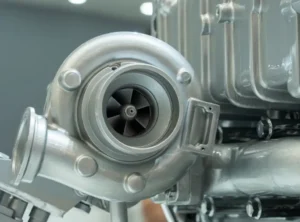
Your car’s transmission is considered one of its critical components. Along with the vehicle’s engine and drive axle, it falls under the powertrain. A powertrain warranty usually covers internally lubricated parts, internal parts, and mechanical breakdown related to the engine transmission system.
If you purchase a stated component coverage plan, the contract will list the specific components covered. You’ll often see:
- Transmission case
- Torque converter
- Transfer case
- Internal gears and seals
- Internally lubricated parts
However, not all extended warranties provide the same level of protection. Some offer only basic powertrain coverage, while others provide near-bumper-to-bumper warranty-style protection.

What Transmission Repairs Are Covered
When transmission failure is due to mechanical breakdown rather than normal wear and tear, most extended warranty providers will pay for covered repairs. This typically includes repair work related to:
- Malfunctioning transmission components
- Internal gears or shafts
- Electronic transmission control modules (if included in your electrical system coverage)
- Drive axle components are tied to the transmission
But here’s the important distinction: warranty coverage applies to breakdowns, not routine car maintenance. For example, transmission fluid changes are considered regular maintenance. If damage occurs due to improper maintenance or skipped oil changes, your warranty company may deny the claim. Likewise, brake pads and other wear items are generally excluded. Transmission problems caused by neglect, modifications, or abuse are usually covered by specific exclusions in the service contract.
Does a Factory Warranty Cover Transmission?
If you have a new car, your original manufacturer’s warranty likely includes transmission coverage under the powertrain warranty. Most factory warranties run for 5 years or 60,000 miles, though this varies by brand. A GM remanufactured transmission warranty typically covers replacements installed through authorized dealerships.
During that period, covered repairs for engine transmission and drive axle issues are typically handled by the dealership. Some brands even offer longer powertrain coverage.
But once the factory warranty expires, you’re financially responsible for transmission repairs, unless you purchase an extended car warranty. That’s where extended warranty coverage becomes valuable, especially for high-mileage cars or vehicles you plan to keep long-term.

Transmission Coverage & Bumper-to-Bumper Warranty
A true bumper-to-bumper warranty (often called comprehensive coverage) includes almost all key components of the vehicle, including transmission, air conditioning, electrical system, and many other specific components.
These plans offer more coverage than basic powertrain protection. They resemble the original manufacturer’s warranty in structure, though they still include specific exclusions. When shopping for the best bumper-to-bumper car warranty, review:
- What specific coverage is listed
- The deductible amount
- Whether repairs must be done at an approved repair facility
- Whether roadside assistance and trip interruption benefits are included
Most extended warranties marketed as comprehensive will include transmission repairs under warranty unless explicitly excluded.
Manual Transmission & Automatic Transmission Coverage
Yes, both manual transmission and automatic systems are typically covered under powertrain or comprehensive plans. The car’s transmission, whether manual or automatic, is still part of the core drivetrain system. However, clutch components in manual transmission systems are often considered wear items and may not be covered unless specifically stated. Always check your contract’s stated component coverage section to confirm.
What About High Mileage Cars?
If your vehicle has high mileage, coverage options may be more limited, but they’re not impossible to find.
Many top-rated auto warranty companies and vehicle extended warranty providers offer plans designed for high-mileage cars. However, premiums may be higher, and coverage may focus more on powertrain protection rather than full comprehensive coverage.
The best vehicle extended warranty for high mileage vehicles typically emphasizes transmission protection, engine transmission coverage, and other internally lubricated parts that are most expensive to repair.
How Do Claims for Transmission Repairs Work?
When transmission problems arise, such as unusual noises, slipping gears, or delayed shifting, you’ll contact your warranty provider before beginning repair work. Most top car warranty companies require pre-authorization. The repair shop will diagnose the issue and submit the claim to the warranty company. Once approved, covered repairs are paid directly to the approved repair facility, minus your deductible.
The extended warranty claims process typically begins with diagnosing the mechanical breakdown. The provider then verifies warranty coverage and reviews the vehicle’s maintenance history. Once approved, authorization is given for the covered components to be repaired. This is why keeping records of routine maintenance and transmission fluid service is so important.
Same Transmission Coverage from All Providers?
No. Not all extended warranties are equal. Some third-party providers offer minimal stated component coverage, listing only certain internal parts. Others, especially the best-rated auto warranty companies, offer secure plan options that resemble factory-level protection. When comparing the best auto extended warranty or the best car extended warranty plans, consider:
- Powertrain coverage limits
- Specific exclusions
- Deductible structure
- Coverage for electrical system components
- Roadside assistance
- Trip interruption benefits
- Transferability if you sell the vehicle
The best extended car warranty is one that fits your car’s age, mileage, and how long you plan to keep it.

Why Transmission Protection Matters
Transmission repairs can easily cost $3,000 to $7,000 or more in the United States, depending on the vehicle. Replacement of internal parts or a full rebuild is not a small expense.
Without warranty protection, a malfunctioning transmission can quickly disrupt your finances.
That’s why many car owners seek mental peace through extended car warranty services. If you plan to keep your vehicle beyond the original manufacturer’s warranty period, investing in additional coverage can help manage the risk of unexpected repairs.
Searches around Rolls-Royce Ghost 2012 reliability engine transmission issues show how expensive repairs can be without warranty coverage.
Looking for the Best Auto Warranty Companies
When searching for the best auto warranty or top extended auto warranty companies, focus on reputation, transparency, and customer support. The best car warranty companies clearly outline the covered components and explain the claims process step by step. It should also define the available coverage levels, state any exclusions for normal wear and tear, and describe terms related to improper maintenance.
Avoid choosing solely on price. The lowest-cost plan may not provide the transmission coverage you expect.
Conclusion: Does an Extended Warranty Cover Transmission?
So, does an extended warranty cover the transmission? In most cases, yes, especially under powertrain coverage or comprehensive coverage plans. But the level of protection depends on the specific coverage outlined in your vehicle service contract.
Transmission protection is one of the most important aspects of any extended car warranty. Once the factory warranty expires, repair costs can add up quickly. Choosing the right plan from a reputable warranty provider can offer meaningful financial protection and long-term mental peace. Before signing any service contract, review the fine print carefully and confirm that transmission coverage aligns with your expectations.
Protect Your Transmission with Nova Warranty
If you’re evaluating the best vehicle extended warranty options, Nova Warranty offers extended car warranty services designed to protect critical components like your car’s transmission, vehicle’s engine, drive axle, electrical system, and air conditioning.
As a leading warranty provider, Nova Warranty offers customized protection plans for all the major car brands, including Bentley, Lamborghini, Ford, and McLaren. Reach out to us at (888) 490 672 today to explore Nova Warranty’s customizable coverage plans and experience stress-free protection that puts you first. Call now for more information.
Frequently Asked Questions
Below, we’ve addressed some commonly asked questions about extended transmission warranties.
Does Nova Warranty cover transmission repairs?
Nova Warranty offers plans that include transmission coverage under powertrain and comprehensive options. Coverage depends on the selected plan and the listed covered components.
Is Nova Warranty a good option for high-mileage cars?
Nova Warranty provides extended warranty coverage options for many high-mileage vehicles. Eligibility and coverage levels vary based on mileage and condition.
Are transmission fluid changes covered under an extended warranty?
No. Transmission fluid service is considered routine maintenance and is typically not covered by car warranties.
What voids transmission coverage in a vehicle service contract?
Improper maintenance, skipped oil changes, modifications, or failure to maintain transmission fluid can lead to denied claims.
Is transmission covered after the factory warranty expires?
Only if you purchase an extended vehicle warranty, once the original manufacturer’s warranty ends, are you responsible for repairs unless additional coverage is in place.