
If you drive an electric vehicle, the battery is its heart. It determines range, performance, and ultimately how confident you feel about keeping the car long term. That’s why the topic of an EV battery extended warranty matters so much. In the U.S., EV makers must provide at least 8 years or 100,000 miles of battery coverage, with some states requiring up to 10 years or 150,000 miles. This warranty covers defects and major capacity loss, but replacement can be costly after it expires, making an extended warranty worth considering, depending on the plan. Let’s understand the details!
What Does EV Battery Coverage Typically Include?
Battery coverage under a factory warranty generally protects against defects in materials and workmanship. If the battery fails outright or capacity drops below a certain threshold, often around 70% of original capacity, the manufacturer may repair or replace it.
For example, a Tesla Model 3 comes with battery and drive unit coverage ranging from 8 years/100,000 miles to 8 years/120,000 miles, depending on the model variant. Nissan Leaf models typically include 8 years/100,000 miles of battery defect coverage and a separate capacity loss warranty. Other brands such as Ford Motor Company, Hyundai Motor Company, Kia Corporation, BMW, and Tesla offer similar protections for their EVs.
What’s usually covered:
- Battery pack defects
- Excessive capacity decline within warranty terms
- Failures tied to manufacturing issues
What’s not covered:
- Damage from accidents
- Environmental damage
- Improper charging or misuse
- Normal degradation beyond stated limits
Understanding those details is critical before you assume you’re fully protected for the life of the vehicle.

Do I Need an EV Extended Warranty Beyond the Manufacturer?
That depends on how long you plan to keep your electric vehicle and how comfortable you are with risk. Battery systems in modern EVs are built to last. Many EV drivers report healthy battery performance well past 100,000 miles. However, technology is evolving quickly, and repair costs for out-of-warranty battery replacement can still reach five figures in some cases.
An EV battery extended warranty may provide protection after the original coverage expires. Some manufacturer-backed plans extend broader vehicle coverage but may not always extend battery terms. Third-party vehicle warranty companies sometimes offer EV-specific plans, though battery coverage availability varies by contract. If you’re keeping your EV for a decade or longer, extended protection can make financial sense.
How Does Capacity Loss Coverage Work?
Capacity loss is a major concern for EV owners. Over time, all lithium-ion batteries experience a gradual decline. That’s normal. The key question is how much decline is acceptable under warranty.
Most EV warranties guarantee that the battery will retain at least 70% of its original capacity during the coverage period. If capacity drops below that threshold within the warranty window, the manufacturer may repair or replace the battery.
However, gradual increases above the threshold are not covered. That’s an important distinction. An EV battery that drops to 75% capacity after eight years would likely not qualify for a claim. Before purchasing any vehicle service contract, carefully review how capacity is defined, measured, and verified.
Are Third-Party EV Warranties Reliable?
As the EV market grows, more extended car warranty services are entering the space. Some of the best auto extended warranty providers and top auto warranty companies now advertise EV-compatible plans.
However, not all EV warranties are equal. Some third-party providers exclude high-voltage battery systems entirely. Others offer limited coverage with strict exclusions.
If you’re researching the best vehicle extended warranty for an electric vehicle, ask directly whether the EV battery is covered and under what conditions. The best-rated auto warranty companies clearly outline what is included and what is not. Transparency matters. Avoid any provider that makes vague promises without a written contract.
What About Tesla Extended Warranty Options?
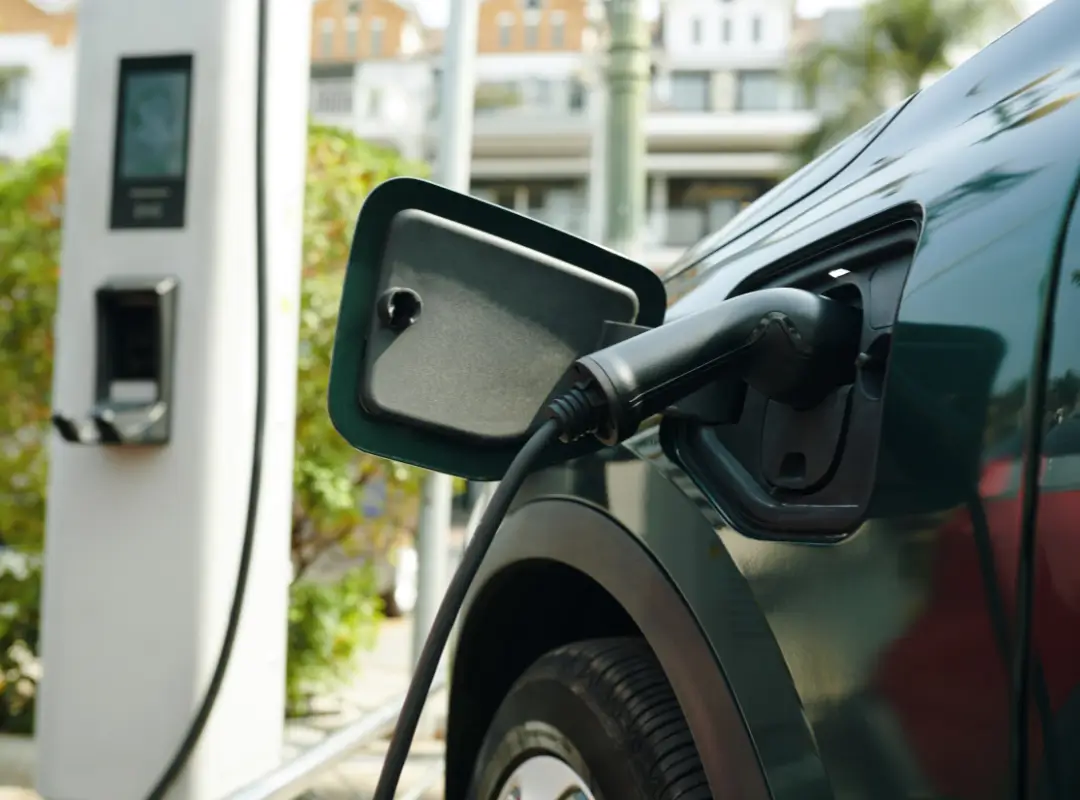
Tesla offers its own extended service agreement for certain models. Still, it typically extends overall vehicle coverage rather than extending the original battery warranty term. Battery and drive-unit coverage often remains subject to the original factory limits.
How Much Does an EV Battery Extended Warranty Cost?
Extended warranty cost depends on the vehicle model, mileage, location, and provider. EV extended warranty pricing can vary widely because battery systems differ significantly between automakers.
For newer EVs with lower mileage, coverage is generally more affordable. As mileage increases, cost may rise, or availability may decline. Some providers offer monthly payments to make plans more affordable.
When evaluating price, compare it to potential battery replacement costs. While battery prices have declined over the past decade, replacement remains one of the most expensive EV repairs.
Does an EV Battery Extended Warranty Improve Resale Value?
Yes, in many cases. A transferable extended warranty can make your vehicle more attractive to future buyers.
EV buyers are often concerned about battery health. If your auto protection plan is transferable and clearly protects battery systems beyond the standard period, it can boost resale value and buyer confidence. Be sure to confirm transferability terms before purchase.
Is an EV Battery Extended Warranty Worth It?
There’s no universal answer. For some owners, the standard 8-year battery warranty provides sufficient mental peace. For others planning long-term ownership or high annual miles, additional protection makes smart financial sense.
Think about your driving habits, how long you plan to keep the vehicle, and your comfort level with potential repair costs. EV technology is reliable, but repairs, especially battery-related, are not cheap. Choosing the right plan is about balance: today’s cost versus future savings.
Protect Your EV with Nova Warranty
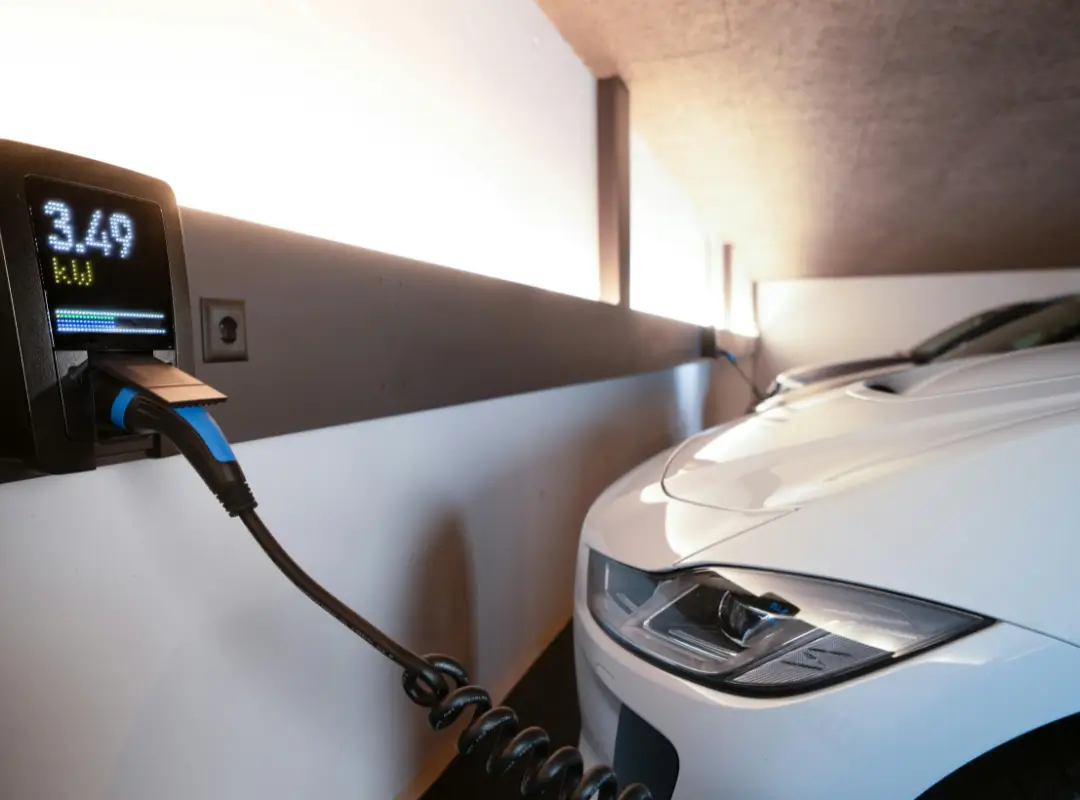
If you’re comparing vehicle warranty companies and exploring EV-compatible coverage, Nova Warranty offers extended car warranty services for many electric and hybrid vehicles. We provide protection options for popular models from Tesla, Ford, Honda, Kia, BMW, Chevrolet, Toyota, and more. To get a FREE quote for your EV, contact us today!
Conclusion: Considering an EV Battery Extended Warranty?
An EV battery extended warranty can offer additional financial protection beyond the standard manufacturer coverage period. While most automakers provide strong factory battery warranties, extended plans may help drivers planning long-term ownership or higher mileage.
Before purchasing any contract, carefully review coverage terms, capacity guarantees, exclusions, and transferability. The right decision depends on your driving needs, ownership timeline, and financial priorities. As electric vehicles continue to shape the future of driving, smart protection choices today can help you safeguard both your car and your wallet tomorrow.
Frequently Asked Questions
Below, we’ve addressed some frequently asked questions about EV battery extended warranty.
How long is EV battery coverage under a standard warranty?
Most manufacturers provide at least 8 years or 100,000 miles of battery coverage, with longer terms in certain states.
Does Nova Warranty offer EV battery extended warranty options?
Nova Warranty offers EV-compatible extended vehicle warranty plans. Coverage depends on the specific vehicle and contract terms, so reviewing details with a specialist is recommended.
What is considered excessive battery capacity loss?
Many manufacturers define excessive capacity loss as dropping below 70% of the original capacity during the warranty period.
Is Tesla battery coverage different from other automakers?
Tesla battery coverage terms vary by model and typically last 8 years with mileage limits depending on the vehicle variant.
Can Nova Warranty help protect EV systems beyond the battery?
Yes. Nova Warranty offers coverage options for eligible EVs that may include electrical systems, drive components, and other major vehicle systems.