Use NOVA450 & Get Up to $450 Off Your 1st Warranty!

Use NOVA450 & Get Up to $450 Off Your 1st Warranty!
Best Winter Car Care Tips to Protect Your Extended Warranty Coverage
When winter hits, your vehicle goes through more stress than most drivers realize. Cold weather, freezing temperatures, road salt, and icy roads can wreak havoc on key components. And if you have an extended warranty, how you handle winter car care can directly impact your coverage. Let’s talk about winter car care tips that practically protect your extended warranty coverage. The goal isn’t just to get through the season. It’s to protect your vehicle, avoid costly repairs, and keep your warranty in good standing. Keep reading!
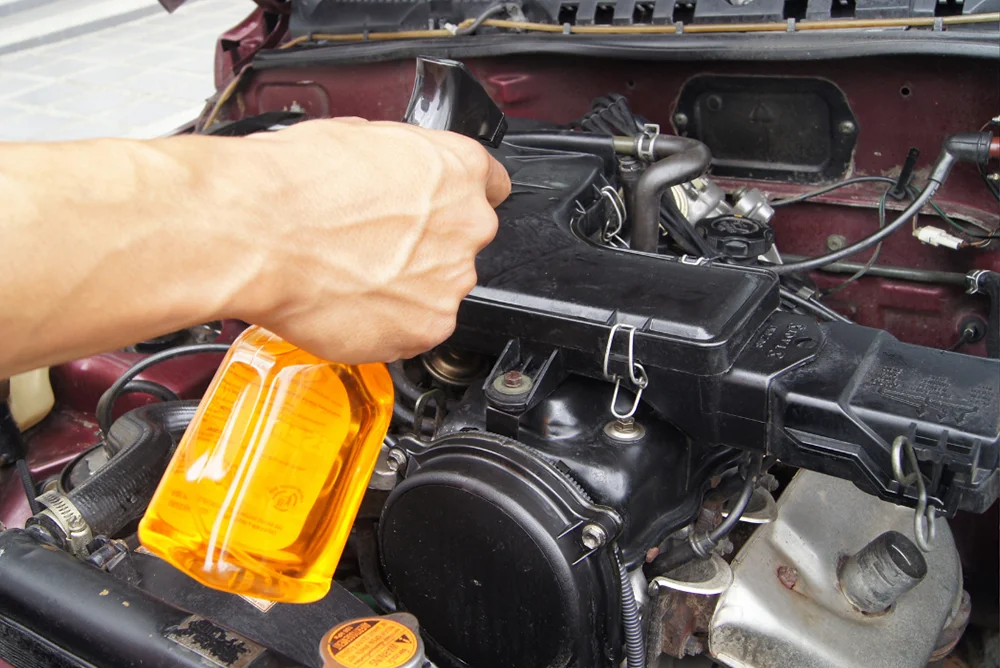
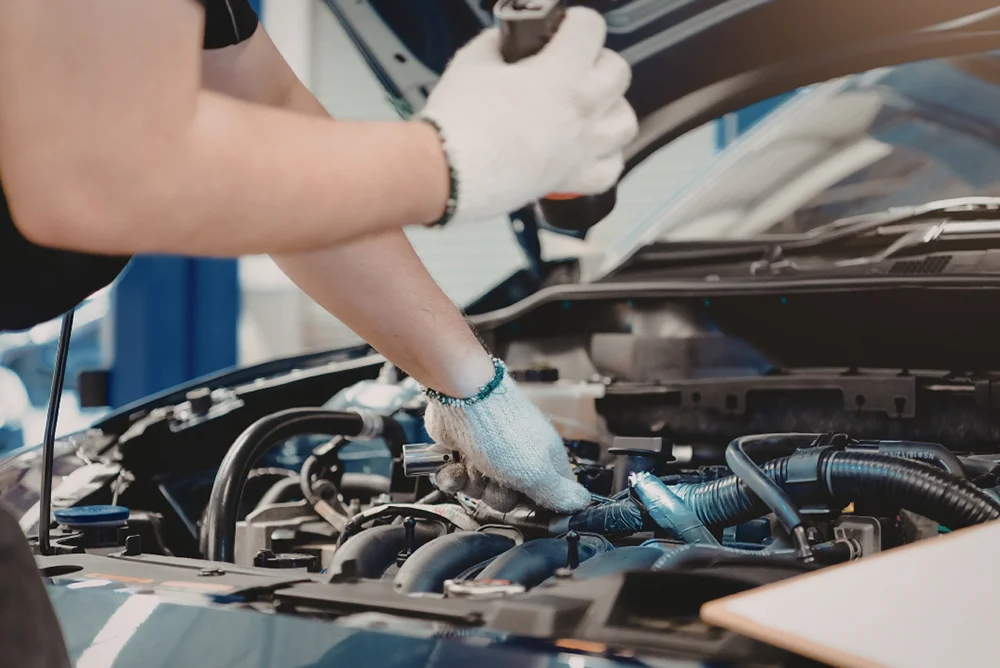
Winter Maintenance & an Extended Warranty
An extended warranty typically covers mechanical breakdowns, not normal wear or damage caused by neglect. That’s a big difference. If freezing weather leads to a cracked engine block because coolant levels weren’t maintained, that may not be covered. If your battery dies due to age and lack of routine auto maintenance, it may be considered normal wear and tear. On the other hand, if a covered component fails despite proper care, that’s when your warranty steps in.
Winter months increase the risk of unexpected repairs. Low temperatures affect motor oil thickness, tire pressure, battery performance, and the cooling system. Staying ahead of these issues protects both your car and your warranty coverage.
Nova Warranty can help you understand what your specific plan covers and what responsibilities you, as the vehicle owner, have. Knowing that upfront makes a big difference when winter conditions arrive. Contact us to explore Lamborghini extended warranty, Ferrari extended warranty, Mercedes-Benz extended warranty, and more.
How Do I Protect My Car During Winter?
Protecting your car during winter starts with preparation. Check your battery, as cold weather can weaken it and leave you stranded. Make sure all fluids are at proper levels. Use the correct winter oil viscosity, keep coolant and brake fluid topped off, and use freeze-resistant windshield washer fluid.
Monitor your tires, since cold temperatures lower tire pressure. Ensure proper inflation and good tread depth. In snowy climates, consider switching to winter tires for better traction on icy roads.
Finally, keep your gas tank at least half full to help prevent fuel line freezing and condensation. These simple steps help prevent winter issues and show proper maintenance if extended warranty repairs are needed.
Guaranteed Protection For Your Vehicles
Drive your car with the peace of mind that comes with knowing you are fully protected with Nova Warranty.
What Is the 7'7 Rule for Winter Tires?
You may have heard of the 7’7 rule for winter tires. It’s a simple guideline. The first “7” refers to temperature. When temperatures consistently fall below 7 degrees Celsius (about 45 degrees Fahrenheit), winter tires perform better than summer or all-season tires.
The second “7” refers to tread depth. Many experts recommend replacing winter tires when the tread depth falls below 7/32 of an inch to maintain proper traction in snow and ice.
While not an official law, this rule is widely discussed among drivers who deal with harsh winter conditions. Maintaining proper tread depth and switching tires at the right time can help prevent accidents and mechanical strain, especially on suspension and braking systems. If a failure occurs because tires were worn far beyond safe limits, it may complicate an auto warranty claim. That’s why seasonal tire checks matter.
Is 40 Degrees Too Cold for Summer Tires?
Yes, generally it is. Summer tires are designed for warm-weather performance. Once temperatures dip below 40 to 45 degrees Fahrenheit, the rubber compounds can harden. That reduces grip and increases stopping distance, even on dry pavement.
Driving on summer tires in freezing weather can increase the risk of sliding and sudden stress on braking and suspension components. Over time, that strain can contribute to mechanical issues. Switching to winter tires or quality all-season tires during cold months supports both safety and long-term vehicle health.
Need more clarification or looking for the top extended warranty plans? Contact us now! Our team will help you find the best Bentley extended warranty, Rolls-Royce extended warranty, McLaren extended warranty, Saturn extended warranty, and more protection plans.
Is October Too Early for Winter Tires?
It depends on where you live. In northern states where cold temperatures arrive early, October is often the right time to switch. In milder regions, you may wait until late fall. The key is watching consistent temperature trends, not just the calendar.
If cold weather hits suddenly and you’re unprepared, that’s when problems start. Planning keeps your vehicle ready for winter driving conditions and helps prevent unnecessary wear and tear.
What Are Key Considerations for Seasonal Car Care?
Winter presents unique challenges. Here are a few car care tips that make a difference:
- Replace worn wiper blades and keep an ice scraper and snow brush in your car.
- Wash off winter grime and road salt regularly to prevent corrosion.
- Check the turn signals and lights, as visibility drops in snow.
- Inspect the cooling system to prevent freezing damage.
- Keep an emergency kit with jumper cables, extra batteries, and a charged cell phone.
These steps protect your vehicle year-round but become even more important in winter. If you ever need clarification on what maintenance is required under your extended warranty, Nova Warranty can help explain your responsibilities. Contact our team or visit our extended warranty FAQs page to protect your coverage.
How Does Winter Neglect Affect Warranty Coverage?
Extended warranty companies expect reasonable maintenance. If damage occurs because fluid levels were ignored or recommended service intervals were skipped, that may lead to denied coverage for that repair.
For example, if sludge builds up in the engine due to skipped oil changes and causes failure, that could fall outside coverage. But if you’ve followed maintenance guidelines and a covered component fails, that’s when your warranty is designed to help cover the repair costs.
The best auto protection plans cover mechanical breakdowns, not preventable damage. Keeping records of maintenance and seasonal service can make a big difference if a claim is ever filed.
Conclusion: Winter Preparation Protects More Than Your Car
Winter car care is about more than staying safe on slippery roads. It’s about protecting your investment and making sure your extended warranty coverage remains intact. Cold weather, snow, and ice put extra strain on batteries, engines, tires, and fluid systems. Taking simple steps before winter hits helps prevent costly repairs and reduces the risk of unexpected breakdowns.
If you stay consistent with maintenance and prepare your vehicle for freezing temperatures, you’re not just driving smarter. You’re protecting your coverage and extending your car’s life.
Looking for Reliable Extended Warranty Coverage?
Nova Warranty offers flexible extended warranty plans to protect vehicles from manufacturers such as Ford, Chevrolet, Toyota, Honda, Nissan, BMW, Mercedes-Benz, and more.
Our plans offer comprehensive coverage for major components, helping drivers manage repair costs long after factory protection expires. If you’re comparing the best vehicle extended warranty options or looking at the best-rated auto warranty companies, reach out to Nova Warranty to request a car warranty instant quote.
Contact us at +1 (423) 929-7673 or visit our Wilmington, Delaware office at 300 Delaware Ave, Ste 210, Wilmington, DE 19801 today!
What Sets Nova Warranty Apart?
Quick Response Time
Call now and enjoy our immediate response time.
Competitive Pricing
We make sure you get the best coverage for your money.
Daily Customer Service
Our team is available to help with all of your needs. We are always just a call away.
Comprehensive Coverage
We cover a wide range of vehicles, including luxury, exotic, daily drivers, and supercars.
FAQs
Below, we’ve addressed some commonly asked questions about winter car care tips for extended warranty coverage.
Q: What are the key considerations for seasonal car care?
Key considerations include checking battery health, monitoring fluid levels, maintaining proper tire pressure, ensuring adequate tread depth, and protecting the cooling system from freezing. Seasonal maintenance helps prevent winter-related issues and supports extended warranty coverage.
Q: How do I protect my car during winter?
A: Protect your vehicle by switching to winter tires when temperatures drop, performing an oil change with the correct viscosity, keeping windshield washer fluid rated for freezing temperatures, and washing off road salt regularly.
Q: What is the 7'7 rule for winter tires?
A: The 7’7 rule suggests installing winter tires when temperatures fall below about 45 degrees Fahrenheit and replacing them when tread depth drops below 7/32 of an inch.
Q: Is 40 degrees too cold for summer tires?
Yes. Summer tires lose flexibility below 40 to 45 degrees Fahrenheit, reducing traction and increasing stopping distance in cold weather.
Q: How can Nova Warranty help during the winter months?
Nova Warranty offers extended warranty plans that help cover mechanical breakdowns for properly maintained vehicles. Our team can explain coverage details and maintenance responsibilities to keep you protected through winter.