Use NOVA450 & Get Up to $450 Off Your 1st Warranty!

Use NOVA450 & Get Up to $450 Off Your 1st Warranty!
Are Fuel Pumps Covered Under Warranty?
The short answer is yes, but it depends heavily on the kind of coverage you have for your car. From the original factory warranty to a third-party provider, how your fuel system is protected can vary.
Better knowledge = Better financial decisions
Let’s break down the details on whether fuel pumps are covered under warranty and look at how different plans work.
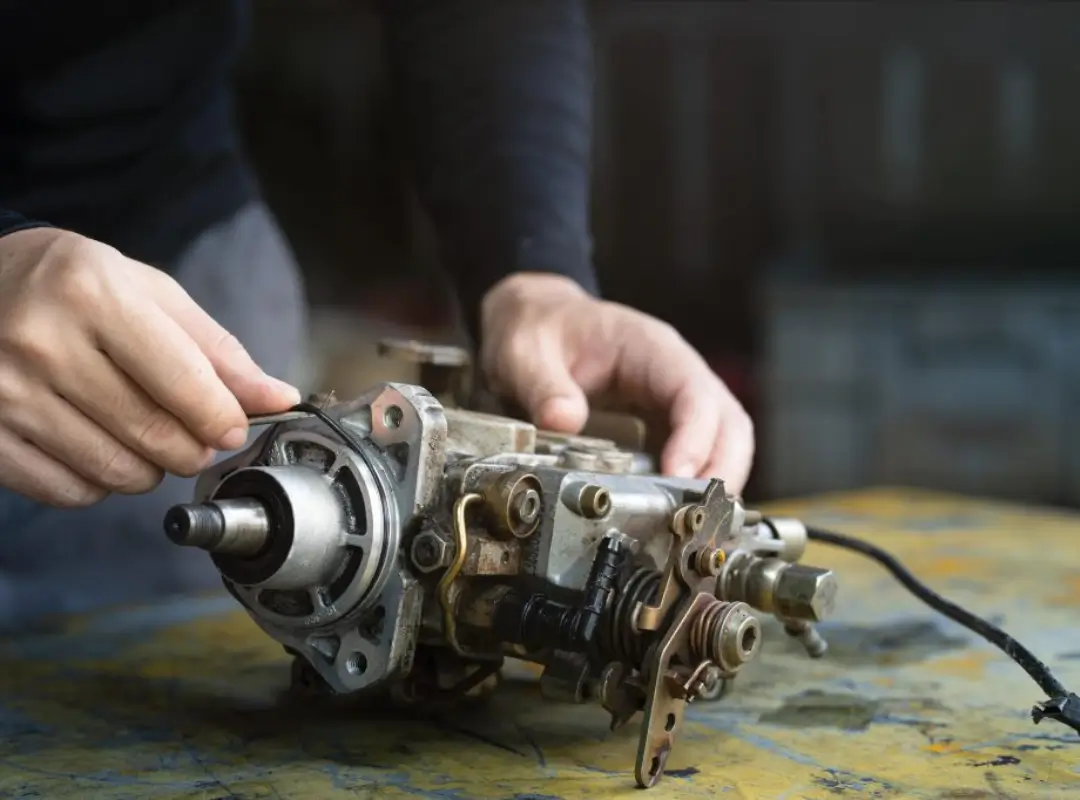
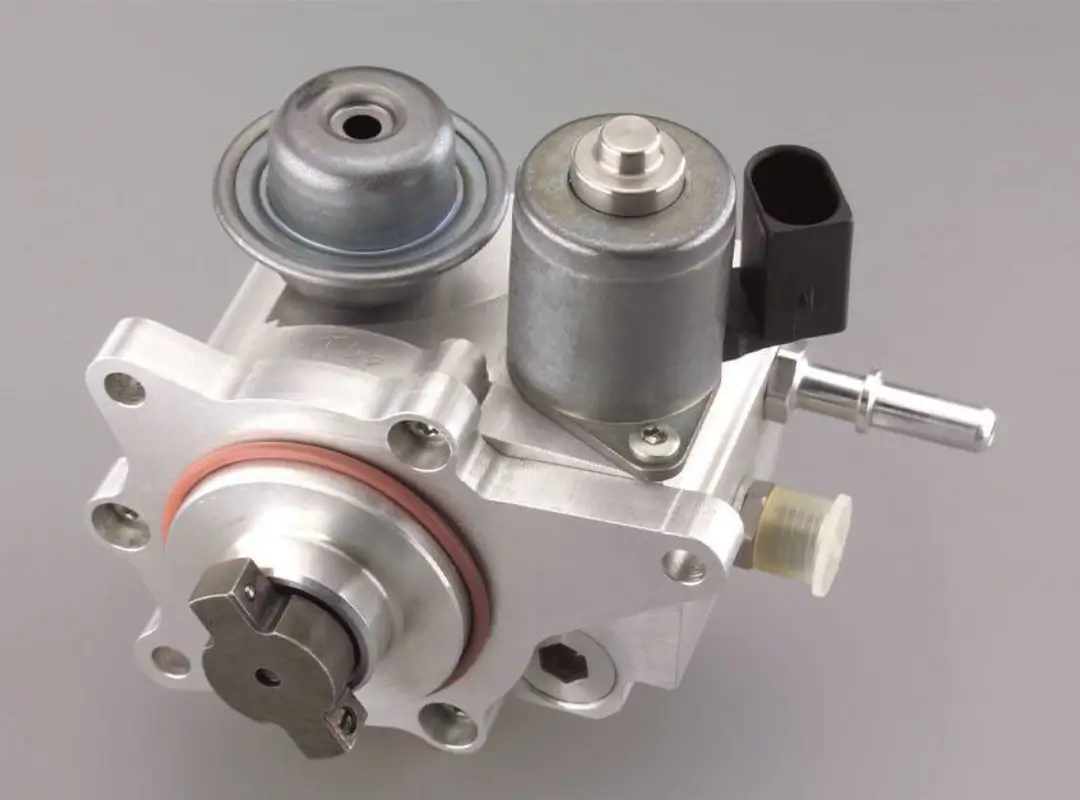
How Does a Fuel Pump Work in Your Vehicle
The fuel pump is an essential part of your vehicle’s operation. Typically located inside the fuel tank, it is designed to push gas through the fuel lines and into the engine. Without it, your car will not run.
Because it operates constantly while the vehicle is on, it undergoes significant wear and tear. Since major components wear over time, understanding when you can buy an extended warranty for a used car is important for ongoing protection.
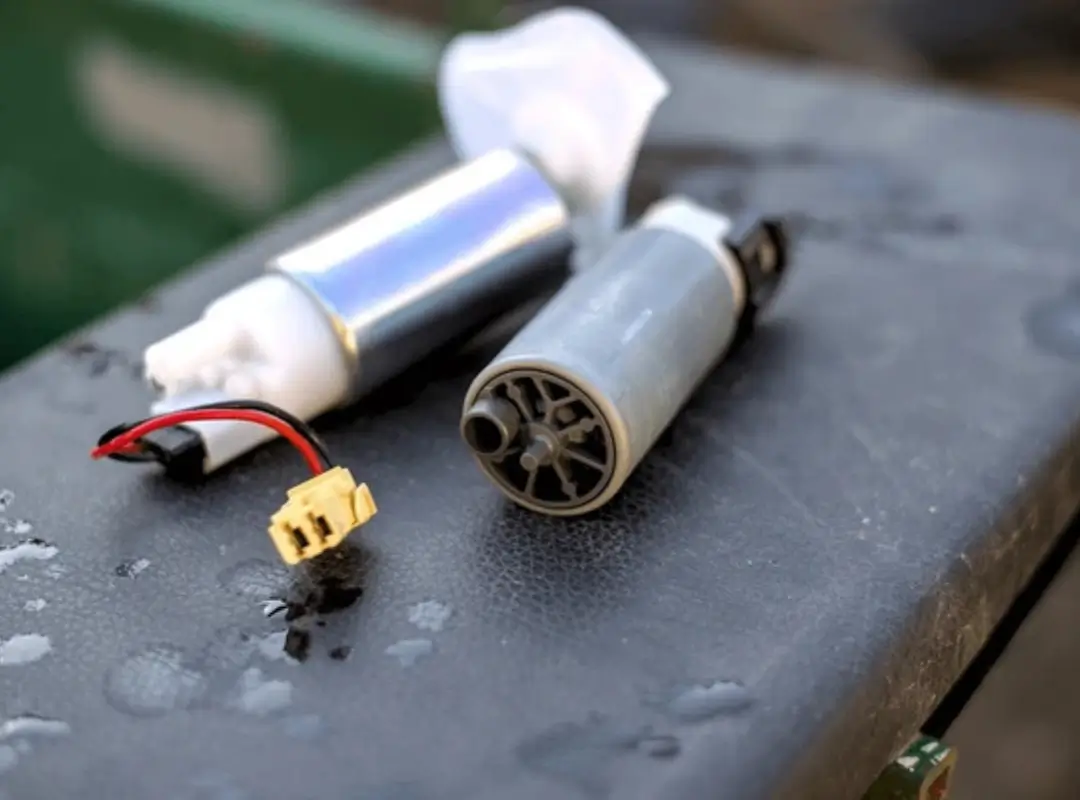
When it fails, you need a replacement to get back on the road. A new pump can cost between $600 and $1,200, depending on your car’s model. So, having a warranty provider to cover that cost offers significant peace of mind.
Is the Fuel Pump Covered Under the Manufacturer’s Warranty?
When you purchase a brand-new car from the dealer, it comes with a manufacturer’s warranty. This original factory warranty is usually split into two parts: bumper-to-bumper and powertrain.
During the initial bumper-to-bumper period (often 3 years or 36,000 miles, whichever comes first), almost all components are protected against defects, excluding wear-and-tear items like brake pads.
So, is the fuel pump covered during this time? Absolutely. If your pump fails at 20,000 miles, the manufacturer will replace it at no cost to you. However, once that initial period begins to expire, coverage gets a bit more complicated.
This is where many drivers begin exploring extended warranty customer ratings to compare provider reliability and coverage satisfaction.
Does a Powertrain Warranty Include the Fuel Pump?
After the bumper-to-bumper plan ends, the powertrain warranty usually kicks in, lasting up to 5 years or 60,000 miles. A powertrain warranty covers the major components that power the vehicle, such as the engine, drivetrain, and transmission. But does it cover the fuel system?
This is where you need to check the fine print. While the engine transmission is explicitly covered, the fuel pump is often considered an engine accessory rather than an internal lubricated part.
Hence, many standard powertrain warranties do not include the fuel tank or the pump itself. Some manufacturers do include it, but you must contact your dealer to confirm the specific details of your coverage. It also helps to understand the difference between powertrain and drivetrain, so you can clearly identify which components fall under each category.
Guaranteed Protection For Your Vehicles
Drive your car with the peace of mind that comes with knowing you are fully protected with Nova Warranty.
What Does an Extended Warranty Cover?
As your vehicle ages and mileage increases, the likelihood of a breakdown increases. That is why many drivers choose to buy an extended warranty. But what exactly does an extended warranty cover?
An extended warranty is designed to pick up where the factory coverage leaves off. If you opt for an exclusionary or comprehensive plan, you can bet that the fuel pump will be covered. These high-tier plans cover almost everything on the car except for a short list of excluded items.
If you choose a lower-tier stated component plan, you will need to read your contract to confirm if the fuel system is listed. Most extended warranties from reputable third-party providers offer specific tiers that clearly state whether fuel-delivery components are included.
To ensure you never have to worry about these costly repairs, consider a premium provider. Nova Warranty is a trusted name in the industry. With the right plan, your fuel system is fully protected.
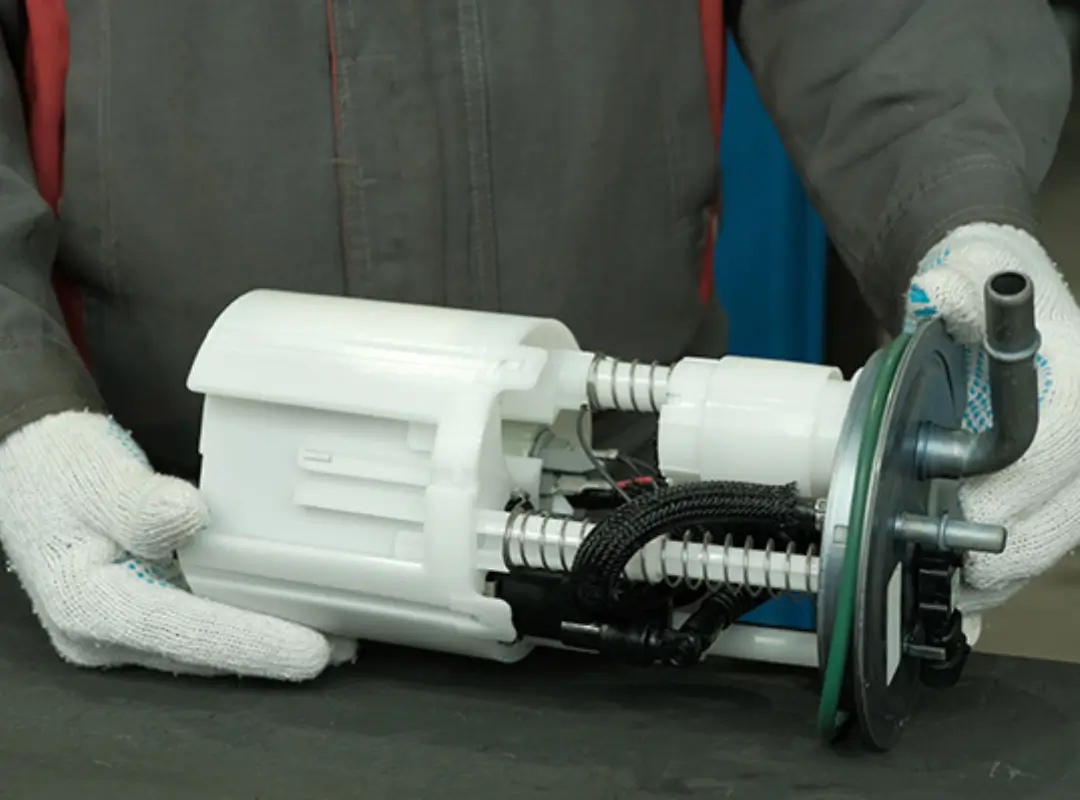
How a Vehicle Service Contract Handles a Bad Fuel Pump
The mechanic will diagnose the problem. If they determine that the fuel pump has failed due to normal use (and not due to external factors such as accidents or contaminated gas), they will contact your warranty provider to file a claim.
Once the claim is approved, the company pays the shop directly for the parts and labor, minus your deductible. Knowing the timeline of an extended warranty claim can help set realistic expectations during the repair process.
Better coverage = Less stress. You don’t have to empty your bank account to get the car fixed. Plus, many contracts offer additional perks, such as towing and rental car reimbursement, so you can continue your day without major interruptions.
The Cost of a Replacement vs. an Extended Warranty Cover
Let’s look at the numbers. As mentioned, replacing a fuel pump can cost $1,000 or more. If your engine transmission acts up, you are looking at $3,000 or more. To decide the best financial route, many drivers compare an extended warranty vs. a car repair savings account before committing.
When you purchase an extended warranty, you pay a predictable upfront cost or a small monthly fee. When a major component breaks, that single repair can essentially pay for the entire vehicle service contract. So, the results? You save money in the long run and protect yourself from unexpected financial shocks.
Final Thoughts
So, are fuel pumps covered under warranty? Yes, they generally are, provided you have the right level of coverage active on your vehicle. While a basic powertrain warranty might leave you exposed, a comprehensive extended warranty will ensure this essential part is fully protected.
Don’t wait for your car to leave you stranded on the side of the road. Review your current coverage, understand what is included, and make sure your fuel system, drivetrain, and engine are safe. Partner with a reliable company like Nova Warranty to keep your vehicle running smoothly.
Catch Hidden Fees Before Anything Else with Nova Warranty
What looks like a good deal on an extended warranty can quickly turn expensive when extra charges start stacking up. From unexpected service fees to limits buried in the contract, many vehicle owners only discover the true cost when they file a claim.
Nova Warranty helps you break down every detail, offering transparent pricing and clear vehicle service contracts. We guide you through coverage options, explain real costs upfront, and help you avoid plans loaded with unnecessary fees.
Contact us now or visit our office at 300 Delaware Ave, Ste 210, Wilmington, DE 19801.
What Sets Nova Warranty Apart?
Quick Response Time
Call now and enjoy our immediate response time.
Competitive Pricing
We make sure you get the best coverage for your money.
Daily Customer Service
Our team is available to help with all of your needs. We are always just a call away.
Comprehensive Coverage
We cover a wide range of vehicles, including luxury, exotic, daily drivers, and supercars.
FAQs
Are fuel pumps covered under a powertrain warranty?
It depends on the manufacturer. While a powertrain warranty covers the engine and transmission, the fuel pump is often excluded because it is not an internally lubricated part. Always check your specific contract details to confirm if the fuel system is included in your coverage.
Does my extended warranty cover a bad fuel pump?
Most extended warranties, especially comprehensive or exclusionary plans, do cover fuel pump replacement. If you have a stated-component vehicle service contract, read the terms to confirm. Nova Warranty provides excellent plans that protect your fuel system from unexpected mechanical breakdowns.
How much does a new pump cost without a warranty?
Without an extended warranty, replacing a fuel pump can cost between $600 and $1,200. This includes the cost of the parts and labor at a licensed repair facility. Unexpected breakdowns can happen anytime, so knowing how to handle a car breakdown is essential for every driver.
Will my factory warranty cover my fuel system?
Yes, during the initial bumper-to-bumper period of your original manufacturer’s warranty, the fuel pump is fully covered against defects. If it fails within this timeframe (usually 3 years/36,000 miles), the dealer will replace it at no cost to you.
How do I file a claim for a fuel pump repair?
Take your car to an approved repair facility. The mechanic will diagnose the issue and contact your warranty provider to obtain authorization for the repair. Once approved, the provider pays the shop directly. Nova Warranty offers a seamless claims process to get you back on the road quickly.