
- Out Of Gas
- If you ever find yourself stranded with an empty tank, help from Nova Warranty is just a call away. Our plan covers every problem you can think of.
Use NOVA450 & Get Up to $450 Off Your 1st Warranty!
Use NOVA450 & Get Up to $450 Off Your 1st Warranty!
Many car owners buy extra protection for their car and then face a change in plans. A growing family. A new job. Or simply the decision to upgrade. That leads to an important question: what happens if I buy an extended warranty but sell my car early? The answer depends on the type of auto extended warranty, the rules of the warranty contract, and how your car is sold. Today, we’ll explain the most common outcomes in clear terms.
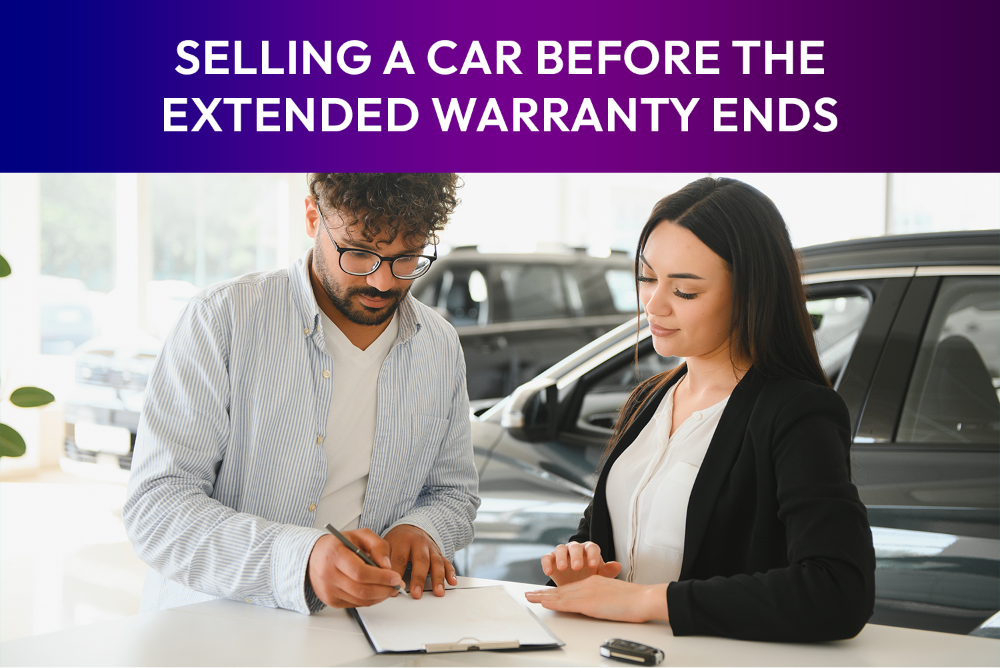

An extended warranty is generally referred to as a service contract or one of many vehicle service contracts. These plans begin after a manufacturer’s warranty ends. They may also run alongside it in some cases, and are offered by:
Coverage terms include mileage and time limits, as well as a defined list of covered systems.
Once purchased, the vehicle service contract is tied to the automobile, not just the owner.
When a car is sold early, the auto warranty coverage does not simply disappear. Most warranties give the seller two main options.
Which option makes sense depends on how the vehicle is sold and the contract terms.
Many extended car warranty plans are classified as transferable, meaning the remaining coverage can transfer to the next owner of the car.
This option is common when selling to a car dealer or listing your car at a car stand. It can also apply when selling the car privately.
The transfer process generally involves paperwork and a small transfer fee.
Drive your car with the peace of mind that comes with knowing you are fully protected with Nova Warranty.
If you sell to a car dealer, the dealership may handle the transfer. Some dealers use active auto warranties as a selling point.
In this situation, the remaining car warranty coverage becomes part of the vehicle’s value. The new owner of the car then gains access to the protection for the remainder of the term.
When selling a car privately, the seller generally initiates the transfer, which involves:
Once approved, the car service contract updates the owner’s information. The auto protection plan continues under the same time and mileage rules.
The transfer process is simple. Many providers complete it in a few minutes once documents are received. Delays occur if forms are incomplete or mileage information is missing. Having paperwork ready speeds things up.
If the auto warranty is not transferred, it may remain unused. In that case, cancellation is your next option. Without action, your contract may expire unused, depending on the coverage company’s rules.

Canceling an aftermarket warranty for cars is allowed under most contracts. You must submit a cancellation form and supporting documents. The refund amount depends on how much of the auto protection plan has been used and how long it has been active.

A warranty refund is generally calculated as a pro-rated refund, reflecting the unused portion of the plan. If the warranty was never used, some companies offer a near-full return minus fees. If claims were filed, the amount may be lower.
Most cancellations result in a partial refund rather than a full return. Cancellation fees or administrative costs may apply. Refunds are generally sent to the original payment source, especially if the warranty was included in a car loan.
If the warranty was financed with a car loan, the refund usually goes to the lender. This reduces the loan balance. Once the loan is settled, any remaining balance may be paid directly to the seller.
An extended auto warranty follows different rules. Cancellation and transfer depend on the contract, not the vehicle brand.
A manufacturer’s warranty, on the other hand, cannot be refunded or canceled. It stays with the vehicle automatically.
Selling a new car early does not change the process. If an extended warranty was added at the time of purchase, the same refund or transfer options apply. The remaining factory coverage continues regardless of what happens with the extended coverage plan.
Each service provider sets its own policies.
Reading the fine print in detail and carefully helps avoid confusion later.
So, what happens if I buy an extended warranty but sell my car early? In most cases, you can transfer the coverage plan to the buyer or cancel it for a prorated refund. The best option? It depends on how the car is sold and the terms of the car warranty contract. Knowing these choices helps protect the money already spent on coverage.
Call now and enjoy our immediate response time.
We make sure you get the best coverage for your money.
Our team is available to help with all of your needs. We are always just a call away.
We cover a wide range of vehicles, including luxury, exotic, daily drivers, and supercars.
A: Yes, many car warranty providers allow cancellation after the car is sold. A prorated refund may be available based on unused time or mileage, minus any listed fees.
A: If you sell your car before the auto warranty expires, the coverage may be transferable to the new owner or eligible for cancellation. The option depends on the terms of your auto warranty plan.
A: No, selling the car does not, in itself, usually cancel the auto warranty. The owner must request a transfer or cancellation directly with the extended warranty provider.
A: After the sale, you should contact Nova Warranty to request a warranty transfer or cancellation and provide proof of purchase along with current mileage details.
A: Some extended car warranties allow a one-time transfer, which can make the automobile more attractive to buyers and increase resale value.
Call Nova Warranty if you are looking for an extended car warranty. We cover all makes and models, including Asian, American, and European manufacturers.
Our auto protection plans support supercars, sports cars, vintage cars, and daily commute cars.
Call us now to explore your options and buy coverage that fits your lifestyle, wallet, and plans.