Use NOVA450 & Get Up to $450 Off Your 1st Warranty!

Use NOVA450 & Get Up to $450 Off Your 1st Warranty!
Coverage for Cars With High-Performance Modifications
Many drivers believe they lose protection the moment they start upgrading a vehicle. That is not always the case. Coverage for high-performance cars is available, and the right extended warranty can help protect your investment long after you install performance upgrades. Keep reading for more details.
Premium Protection for Performance Enthusiasts
Performance upgrades can cost thousands of dollars. A modified vehicle represents far more than transportation.
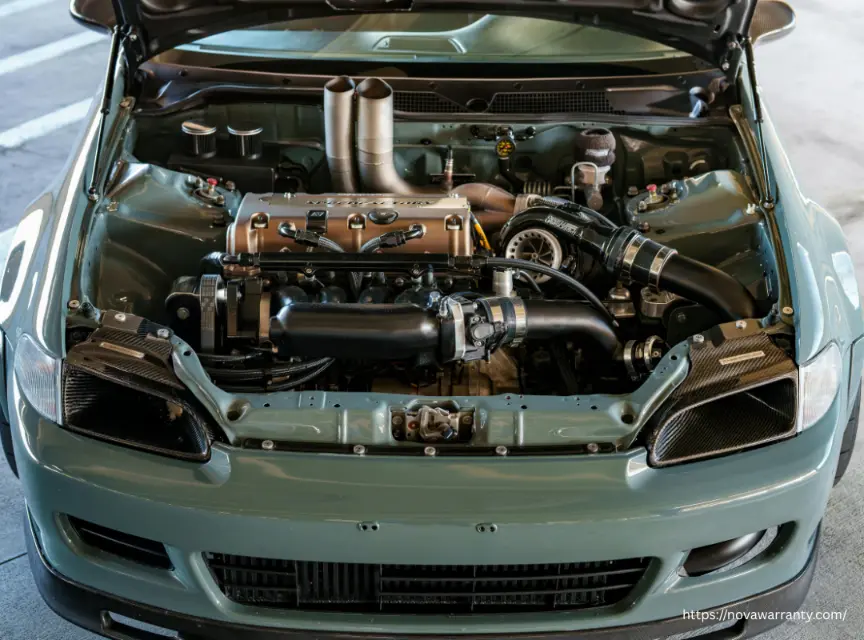
It reflects invested time and money. Many owners install aftermarket parts to improve speed, handling, braking, or appearance. Some choose upgraded brakes, custom wheels, suspension modifications, or engine swaps. Others invest in custom paint jobs and specialized components that push a vehicle beyond factory specifications. Owners of performance-oriented vehicles like the Bentley Continental GT often face exactly these considerations when deciding how to protect a heavily customized build.
The challenge begins when repairs become necessary. Standard protection plans often focus on vehicles that remain close to original factory specifications. Once modifications are introduced, coverage requirements can change.
That does not mean you cannot protect your vehicle. It simply means you need to understand how modifications affect coverage and what options remain available.
How Performance Modifications Change Coverage Requirements
Now, let’s look at what happens when you modify a vehicle.
Every modification alters how a vehicle operates. Some modifications improve performance. Others improve appearance. Many owners combine both.
Performance modifications can include:
- Engine swaps
- Turbocharger installations
- Supercharger systems
- Suspension changes
- Upgraded brakes
- Custom exhaust systems
- Performance tuning
- Custom wheels
These upgrades often increase a vehicle’s value. They can also increase repair costs. As a result, providers may require additional documentation before approving coverage.
The insurance industry frequently views modified vehicles differently from stock vehicles because modifications increase repair complexity and replacement costs. Some insurers classify heavily modified cars as high-risk vehicles, and some others simply require additional review.
Which Modifications Receive the Most Attention?
Let’s be honest. Every modification does not raise concerns.
Simple cosmetic upgrades may have little impact on coverage decisions. However, major modifications often receive closer scrutiny.
Some common modifications that attract attention include:
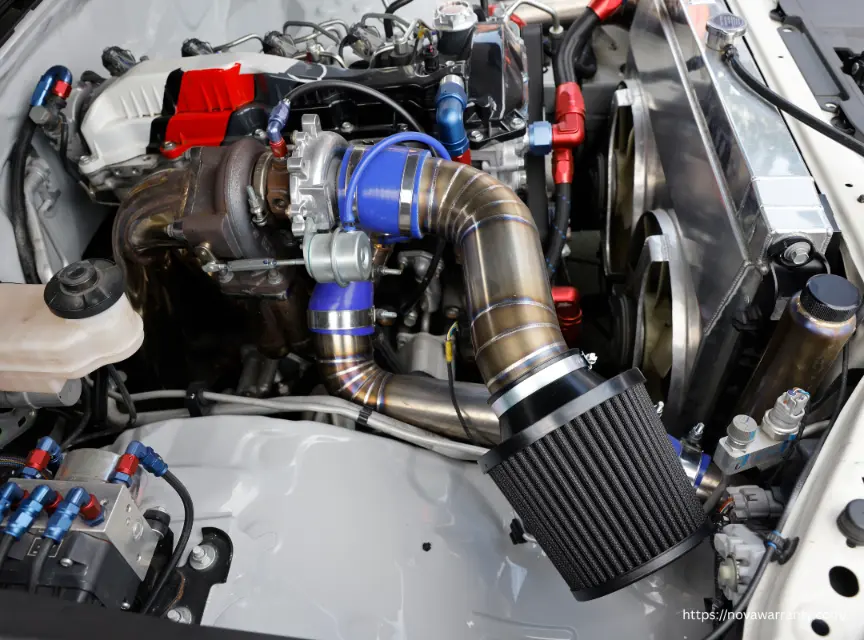
Engine Swaps
Engine swaps dramatically alter a vehicle’s performance characteristics. They often require vehicle inspections and extensive documentation.
Suspension Modifications
Suspension changes can improve handling and appearance. Lowered vehicles, lift kits, and performance suspension systems may affect coverage eligibility.
Upgraded Brakes
Many performance enthusiasts install upgraded brakes to improve stopping power. Providers often view these modifications positively because they support a car’s safety.
Custom Wheels
Custom wheels remain one of the most common modifications. While they improve appearance, they also increase replacement costs.
Window Tinting
Window tinting may seem minor, but local regulations vary. Excessive tint can create compliance issues during the insurance process.
Keeping records of all modifications helps simplify future claims and inspections.
Documentation Makes All the Difference
Here’s something many owners overlook.
The quality of your documentation often determines how smoothly the coverage process moves forward.
Whenever you install aftermarket parts or custom parts, keep:
- Purchase receipts
- Installation invoices
- Maintenance records
- Photographs
- Performance specifications
- Inspection reports
These records establish the value of your modifications. They also help prevent disputes if you need repairs later.
Many denied claims stem from missing paperwork rather than the modifications themselves. Good documentation creates transparency and reduces insurance complications. A pre-purchase inspection before buying an extended warranty also establishes a clear baseline condition for your vehicle, helping avoid disputes down the road.
Understanding the Cost of Protecting a Modified Vehicle
Let’s talk about money because every vehicle owner asks the same question.
Do modifications increase costs?
In many situations, yes.
Performance upgrades often lead to higher premiums because providers face increased risk. A modified vehicle may cost more to repair, replace, or inspect.
Several factors that influence pricing include the type of modifications, the vehicle’s value, driving history, and vehicle usage.
A vehicle driven infrequently may receive different consideration than a daily driver. Likewise, owners with a clean driving record often receive better rates than drivers with previous accidents or violations.
Guaranteed Protection For Your Vehicles
Drive your car with the peace of mind that comes with knowing you are fully protected with Nova Warranty.
Why Agreed Value Coverage Matters
Let’s look at one option that many enthusiasts appreciate.
An agreed-value policy establishes a predetermined vehicle value before problems arise.
Standard policies often calculate value based on factory specifications and depreciation. That approach may ignore expensive performance upgrades and custom parts.
An agreed-value policy helps address that issue by recognizing the actual value of a modified vehicle. For high-value vehicles like the Land Rover Range Rover Sport, this kind of accurate valuation becomes especially important given how expensive replacement parts and components can be.
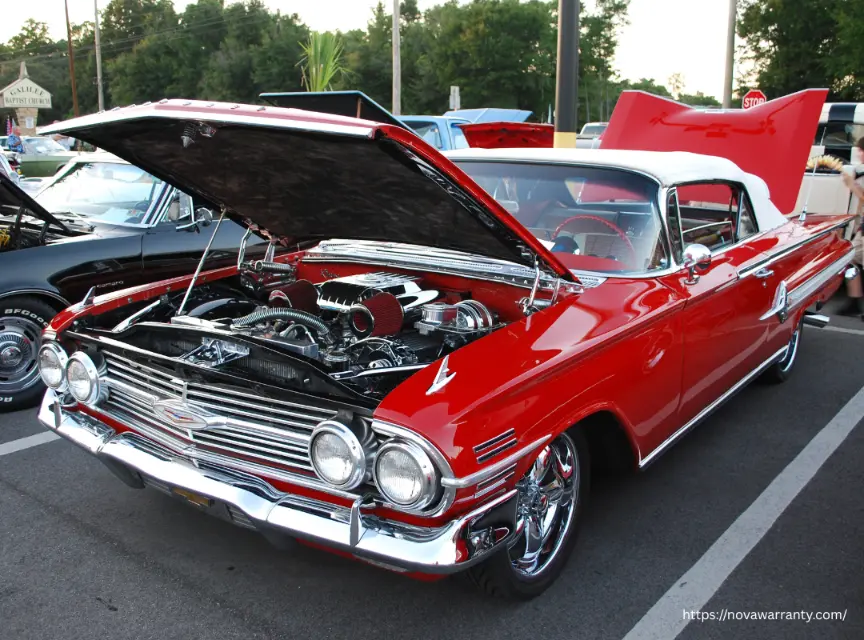
If a covered event occurs, agreed-value arrangements provide greater clarity on compensation and replacement value.
Avoiding Common Coverage Mistakes
Let’s discuss some mistakes that create problems for vehicle owners. Many people spend thousands on modifications but fail to update their coverage information. That mistake can create serious issues during claims.
Avoid these common errors:
Failing to Report Modifications
Always disclose major modifications. Hidden upgrades can complicate claims and may lead some providers to deny coverage.
Keeping Poor Records
Missing receipts create valuation disputes. Save documentation from day one.

Assuming Standard Policies Cover Everything
Standard insurance policies often contain limitations for modified vehicles. Review terms carefully.
Ignoring Vehicle Inspections
Some providers require vehicle inspections before offering coverage. Complete these inspections promptly.
Choosing Price Over Protection
The lowest premium does not always provide the best coverage. Compare benefits, exclusions, and repair options before making a decision.
A little preparation today can prevent significant frustration tomorrow.
Choosing the Best Coverage for Your Build
Before you finalize any protection plan, take a close look at your vehicle.
Ask yourself, what modifications have I installed? How much money have I invested? Do I have receipts for every upgrade? These answers help determine the level of coverage you need.
A lightly modified vehicle may require a different approach than a fully built performance car. The key lies in matching protection to the actual value and complexity of your build. Working through a car checklist with extended warranty considerations can help organize this evaluation before you commit to a plan.
Final Thoughts
Owning a modified vehicle brings excitement, pride, and responsibility. Performance upgrades can improve vehicle speed, handling, and appearance. The good news is that protection options exist. With proper documentation and the right provider, you can keep your vehicle fully protected and avoid costly surprises. When you invest in performance, make sure you invest in protection as well. Nova Warranty offers detailed documentation and stress-free warranty coverage for all types of cars.
Nova Warranty Coverage for Modified High-Performance Cars
If you’ve upgraded your vehicle with performance modifications, you’re likely wondering how those changes affect extended warranty coverage. Nova Warranty helps drivers understand extended vehicle warranty coverage for modern and modified vehicles, so you can see how aftermarket upgrades may affect eligibility and what systems may still be covered under a plan.
Our focus is on clarity before you commit, especially when your vehicle no longer matches factory specifications. If you’ve modified your car and want to avoid coverage confusion, contact us today. Your free quote is a click away!
What Sets Nova Warranty Apart?
Quick Response Time
Call now and enjoy our immediate response time.
Competitive Pricing
We make sure you get the best coverage for your money.
Daily Customer Service
Our team is available to help with all of your needs. We are always just a call away.
Comprehensive Coverage
We cover a wide range of vehicles, including luxury, exotic, daily drivers, and supercars.
Frequently Asked Questions (FAQs)
Many drivers researching modified vehicle coverage ask questions similar to these before choosing a protection plan.
Q1. Does Nova Warranty offer coverage for cars with performance modifications?
A: Nova Warranty may offer options depending on the type of modifications and supporting documentation.
Q2. Will engine swaps affect eligibility for an extended warranty?
A: Engine swaps can affect eligibility, so Nova Warranty reviews each vehicle individually.
Q3. Does a third-party warranty require receipts for aftermarket parts?
A: Yes, receipts and installation records help third-party warranty providers verify modifications and vehicle value.
Q4. Can Nova Warranty help protect modified classic cars?
A: Coverage options may be available for certain classic cars with approved modifications.
Q5. Do suspension modifications automatically disqualify a vehicle from Nova Warranty coverage?
A: Not necessarily. Nova Warranty evaluates suspension changes based on the overall build and condition of the vehicle.