Use NOVA450 & Get Up to $450 Off Your 1st Warranty!

Use NOVA450 & Get Up to $450 Off Your 1st Warranty!
Do Extended Car Warranties Cover Catalytic Converters?
Extended warranties cover many important parts of a car. They often help owners handle expensive repairs when an issue arises. Some parts fail quietly. Others cause stress the moment a warning light turns on. One part that raises many questions sits right in the middle of the vehicle’s exhaust system. We answer one key question: Do extended car warranties cover catalytic converters? We will break it down clearly and walk through real scenarios, rules, and limits. Keep reading!
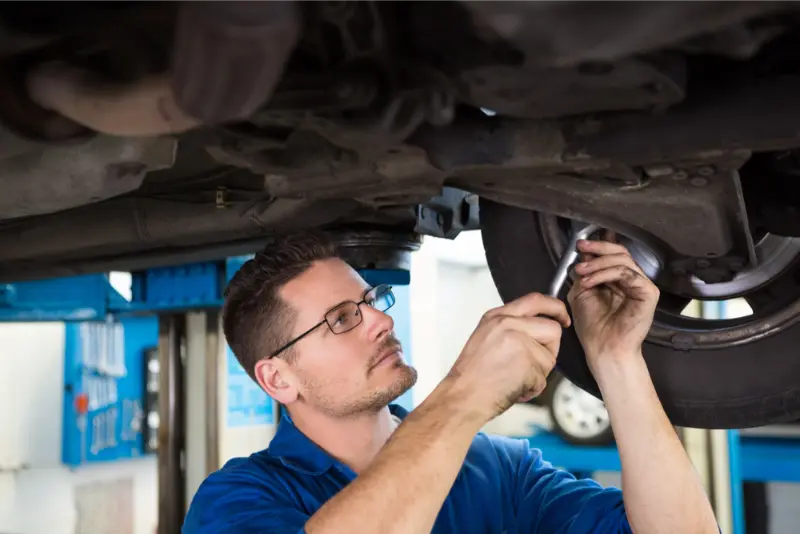
Understanding the Catalytic Converter & Why It Matters
A catalytic converter plays a critical role in every modern car. It sits within the exhaust system and removes harmful pollutants before they exit the tailpipe. The converter triggers a chemical reaction that changes toxic gases into safer ones. It reduces carbon monoxide, carbon dioxide, and other harmful emissions before they reach the air.
This process helps the vehicle meet federal emissions standards. It also supports clean air act goals and protects human health. Without a working catalyst, the vehicle releases toxic gases and fails emissions tests. That failure creates legal and mechanical trouble for the owner.
Signs of a Failing Catalytic Converter
A failing catalytic converter rarely stays silent for long. The car often sends clear warnings. The check engine light usually turns on first. Rattling sounds may follow, especially during startup or acceleration. Fuel efficiency may drop and acceleration may feel weak.
In many cases, the vehicle fails an emissions test. Oxygen sensors may detect abnormal readings and trigger a check engine alert. Once the catalytic converter fails, the engine struggles to breathe properly. That strain can affect power and long-term performance.
What an Extended Warranty Usually Covers
An extended warranty works as a service contract. It starts when the manufacturer’s warranty expires. Coverage varies by provider and plan level. Some plans focus on the powertrain warranty. Others offer detailed coverage across many systems.
Most extended warranty plans cover internal engine parts, transmission components, and drivetrain systems. Some plans also include emissions components, but coverage does not apply automatically. The contract language decides everything.
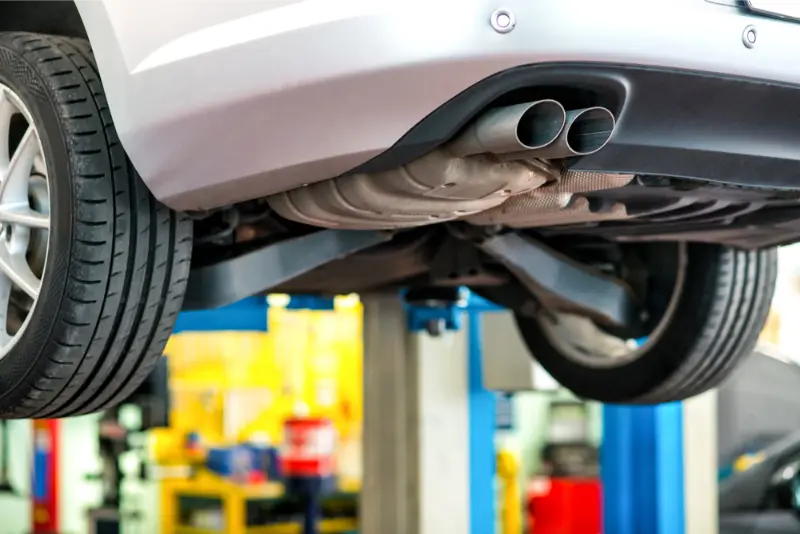
Are Catalytic Converters Covered Under Extended Warranties?
The answer depends on the contract. Some extended warranty plans list catalytic converters covered under emissions system protection. Others exclude them completely. Many warranty providers treat the catalytic converter as a high-cost emissions component with strict limits.
If the catalytic converter fails due to a manufacturing defect, some plans approve a warranty claim. If wear, contamination, or external damage causes the failure, coverage usually stops there. Always confirm coverage before you purchase the contract.
The Difference Between Emissions & Extended Warranty
Federal law requires car manufacturers to provide an emissions warranty.
This warranty often covers the catalytic converter for 8 years or 80,000 miles. It protects emissions components that reduce harmful pollutants.
Once this emissions warranty expires, responsibility shifts to the owner. An extended warranty may step in, but only if the contract includes catalytic converter warranty terms. Many drivers confuse these two protections. They work separately and follow different rules.
What Causes Catalytic Converter Failure
Several issues can damage a catalytic converter. Engine misfires send raw fuel into the exhaust system. Oil leaks coat the catalyst and block airflow. Faulty oxygen sensors disrupt the chemical reaction inside the converter.
Using aftermarket parts can also create problems. Poor-quality replacement parts may not meet OEM standards. Improper modifications can void warranty coverage altogether. Lack of maintenance also shortens the converter’s lifespan.
Catalytic Converter Theft & Warranty Limits
Catalytic converter theft has become a serious issue. Thieves target these parts because they contain valuable materials. Extended warranties do not cover theft. Warranty coverage only applies to defects in materials or workmanship.
If someone steals the converter, the owner must pay out of pocket. Some people mistakenly file a warranty claim in these cases. Providers deny those claims every time. Theft falls outside the scope of any warranty contract.
How Warranty Providers Evaluate a Claim
When a catalytic converter fails, the warranty provider carefully reviews the issue. They check mileage, maintenance records, and the cause of failure. The repair facility sends diagnostic reports and confirms whether a manufacturing defect caused the failure.
If the provider confirms coverage, they approve the replacement part and labor costs. If contamination, neglect, or modifications caused the failure, the provider denies the claim. The fine print controls the final decision.
OEM vs Aftermarket Replacement Parts
Some extended warranty plans require OEM parts for covered repairs. Others allow aftermarket parts. OEM converters cost more, but they meet manufacturer standards. Aftermarket options cost less but may not last as long.
The contract usually states which option applies. Owners should reference the contract before authorizing repairs. Choosing the wrong replacement part may shift the cost back into the owner’s pocket.
Labor Costs & Repair Facility Rules
Labor costs often surprise car owners. Catalytic converter replacement requires skilled work and proper tools. Warranty coverage may cap labor rates or restrict repair facility choices.
Many providers require pre-approval before work begins. Skipping that step can invalidate coverage. Always confirm approval and use an authorized repair facility before finalizing your extended warranty.
Powertrain Warranty vs Emissions Coverage
A powertrain warranty does not cover the catalytic converter. The powertrain focuses on the engine, transmission, and drive components. The catalytic converter belongs to the vehicle’s emissions system, not the powertrain.
Some owners assume powertrain coverage handles all engine-related issues. That assumption leads to denied claims. Always check whether emissions components appear in the coverage list.
The Role of Maintenance in Coverage Decisions
Maintenance plays a major role in warranty approval. Providers expect regular servicing. Oil changes, tune-ups, and engine care protect the converter from damage.
Ignoring engine issues can cause a converter to fail early. When that happens, warranty providers often deny coverage. They classify the failure as preventable rather than defective.
When Extended Warranty Coverage Makes Sense
Extended warranties make sense for complex, high-cost repairs. Catalytic converters fall into that category. Replacement can cost thousands, including labor.
Drivers who plan to keep their vehicle long-term often benefit the most. Before purchase, buyers should confirm the status of the catalytic converters in writing. Clear confirmation prevents disputes later.
Reading the Warranty Details Before You Purchase
Every extended warranty contract includes exclusions. Many hide important details in small print. Some plans exclude emissions system coverage entirely. Others limit mileage or require strict service records.
Smart buyers read every section carefully. They ask direct questions and request written confirmation. That effort protects them when the converter fails unexpectedly.
Real-World Example of Coverage in Action
Consider a vehicle with 90,000 miles. The manufacturer’s warranty has expired. The check engine light turns on. Diagnostics show the catalytic converter fails due to internal breakdown.
If the extended warranty includes emissions components and confirms a manufacturing defect, the provider pays for replacement. If contamination causes the issue, the owner pays. The outcome depends on contract terms, not assumptions.
Keeping Your Vehicle in Top Shape
Regular maintenance keeps the emissions system healthy. Address engine problems quickly. Replace oxygen sensors when needed. Avoid cheap aftermarket modifications.
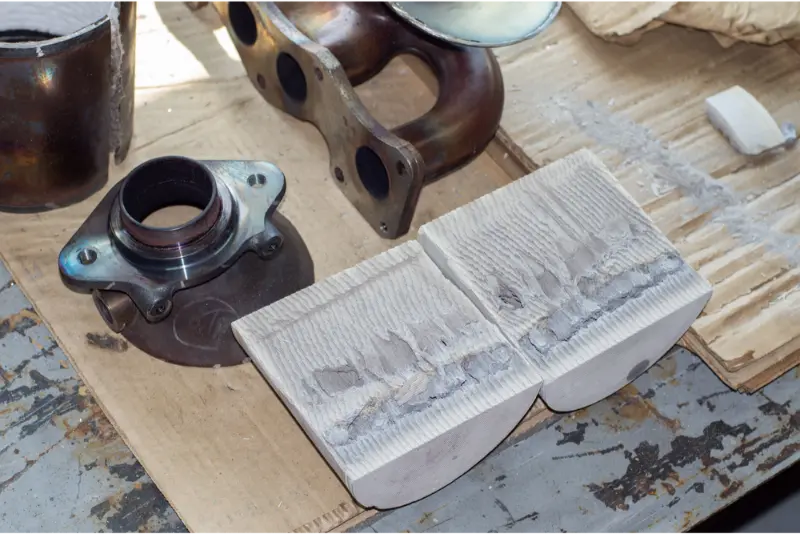
These steps protect the catalytic converter and strengthen any future warranty claim. They also reduce harmful emissions and support clean air goals.
Catalytic Converter Failures Require Nova’s Protection
Catalytic converter issues catch drivers off-guard because they sit at the crossroads of emissions rules and expensive repairs. Many factory warranties stop short, and not every extended plan treats these components the same way. Nova Warranty removes that uncertainty by offering structured coverage through Nova Powertrain and Nova Superior. Our plans address costly mechanical and emissions-related failures if they qualify under the plan. If you want straightforward answers and coverage options that align with modern repair costs, now is the time to act. Contact us to request a free quote today and explore how Nova Warranty can help protect your vehicle.
FAQs
Before we dive into common questions, many drivers want clarity on how Nova Warranty approaches emissions-related coverage. The answers below explain typical concerns and how Nova Warranty helps vehicle owners navigate them.
Does Nova Warranty cover catalytic converters under its extended warranty plans?
Nova Warranty offers plans that may include emissions components, depending on the contract level. Customers should confirm the covered status of catalytic converters before purchase to avoid confusion later.
How does Nova Warranty handle a failing catalytic converter claim?
Nova Warranty reviews the failure cause, mileage, and maintenance records. If a manufacturing defect causes the failure and the contract includes coverage, Nova Warranty authorizes repairs through an approved repair facility.
Does Nova Warranty cover catalytic converter theft?
Nova Warranty does not cover catalytic converter theft. Theft falls outside warranty protection because it does not involve defects in materials or workmanship.
Can Nova Warranty help with labor costs for catalytic converter replacement?
If coverage applies, Nova Warranty includes labor costs based on contract terms. The customer must follow the approval steps and use an authorized repair facility.
How can customers confirm catalytic converter coverage with Nova Warranty?
Customers can request a detailed contract review from Nova Warranty before purchase. This step helps confirm emissions system coverage and prevents issues during a warranty claim.
What Sets Nova Warranty Apart?
Quick Response Time
Call now and enjoy our immediate response time.
Competitive Pricing
We make sure you get the best coverage for your money.
Daily Customer Service
Our team is available to help with all of your needs. We are always just a call away.
Comprehensive Coverage
We cover a wide range of vehicles, including luxury, exotic, daily drivers, and supercars.