Use NOVA450 & Get Up to $450 Off Your 1st Warranty!

Use NOVA450 & Get Up to $450 Off Your 1st Warranty!
Do Extended Car Warranties Cover Transmission?
Your car’s transmission is one of its most critical components. It delivers power from the engine to the wheels and keeps your vehicle running smoothly. Whether you drive gently or push your car hard, the transmission responds to your habits. Aggressive driving, towing, or skipping regular maintenance can wear it down faster. Even careful drivers can face sudden breakdowns when internal parts fail. Since repairs often cost thousands, every car owner wants to know: Do extended car warranties cover transmission? Continue reading to learn about the various warranties available, what transmission protection entails, and which plan offers the best financial protection against unexpected failures.

Why Transmissions Fail More Often Than You Think
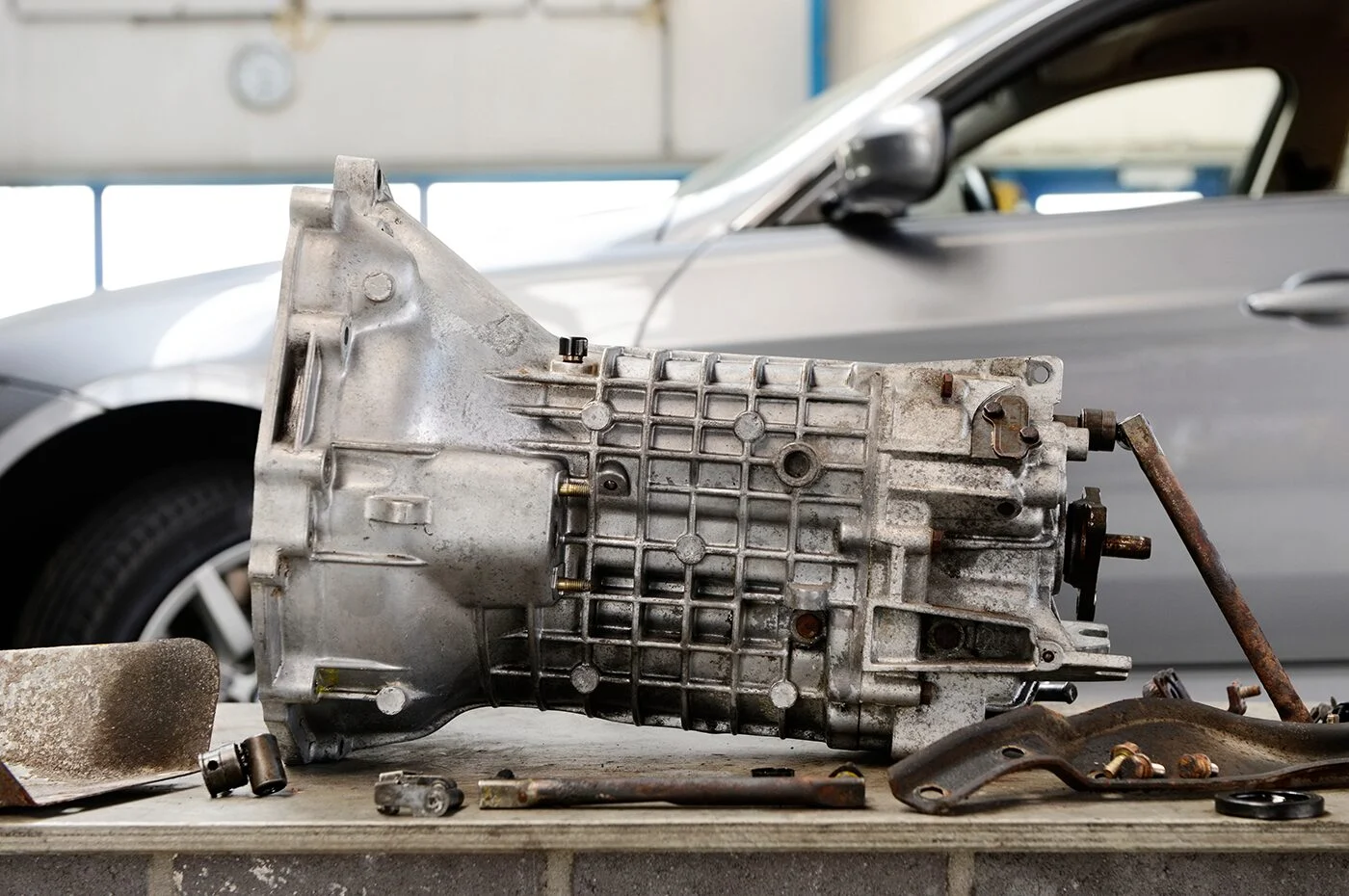
Transmissions have dozens of internally lubricated parts. Torque converters, clutches, sensors, and seals work constantly under heat and pressure. Over time, normal wear and tear break these parts down. High-mileage cars are especially prone to malfunctioning transmissions. That’s why an extended warranty for a high-mileage car becomes a no-brainer.
Missing regular maintenance, such as oil changes or ignoring transmission fluid changes, speeds up the damage. When a transmission fails, it can leave you stranded and facing steep labor costs. Understanding this risk is the first step toward choosing the right plan.
The Basics of Factory Warranty Coverage
Every new car comes with a manufacturer’s warranty. A factory warranty typically consists of two parts. The bumper-to-bumper portion covers almost every component except routine maintenance and everyday wear items like brake pads.
The powertrain warranty focuses on major vehicle components like the engine, the vehicle’s powertrain, and yes, the car’s transmission. When the factory warranty runs out, car owners lose built-in transmission protection. That is when extended coverage becomes essential.
Guaranteed Protection For Your Vehicles
Drive your car with the peace of mind that comes with knowing you are fully protected with Nova Warranty.
What Happens After The Factory Protection Ends?
An extended warranty, also called a vehicle service contract, steps in after the original manufacturer’s warranty expires. It provides coverage for major components and offers financial protection against mechanical breakdown. Most providers offer several coverage options, from basic powertrain protection to plans that mimic bumper-to-bumper warranties.
Extended warranty providers and third-party providers both compete for customers with different warranty terms. Understanding exactly what they cover helps you avoid unpleasant surprises at claim time.
Powertrain Warranty vs. Bumper-to-Bumper Warranty
A powertrain warranty covers key components that make the car move: the engine, the car’s transmission, and the drive axles. This includes transmission coverage for internally lubricated parts such as gears, bearings, and torque converters.
A bumper-to-bumper warranty (sometimes called complete coverage) goes much further, covering almost all mechanical and electrical systems, including air conditioning, suspension, and more. Bumper-to-bumper warranties sometimes exclude normal wear and tear items like brake pads or transmission fluid changes. If you know the difference between these two types of warranty coverage, it will help you pick the right plan.
How Extended Warranties Handle Transmission Coverage
Not all extended warranties automatically include transmission coverage. Some plans focus only on the vehicle’s powertrain, while others bundle transmission protection with additional coverage for other systems. Look for wording like “includes transmission coverage” or “covers transmissions” in the contract. Pay attention to the list of covered components and specific exclusions.
Many warranty companies list covered parts such as internal gears, clutch drums, valve bodies, and torque converters, but exclude items like transmission fluid or damage from improper maintenance. If you choose a plan with complete coverage, it often covers repairs to major components and may even include roadside assistance.

Reading the Complete Warranty Package Before You Sign
Every plan spells out what it does and does not cover. This section matters more than any sales pitch. Warranty providers outline specific components, labor costs, and conditions for filing a warranty claim.
Some plans exclude older vehicles, high-mileage cars, or transmissions that fail due to unusual noises ignored over time. Others require proof of regular car maintenance, such as oil changes and transmission fluid changes, to keep coverage valid. Without these records, a warranty company can deny your claim. Always review the warranty contract so you know exactly what your warranty covers.
How the Claims Process Works for Transmission Repairs
When a malfunctioning transmission strikes, the claims process becomes your lifeline. Most providers require you to take the vehicle to an approved repair facility for diagnosis and repair work. The facility contacts the warranty company for authorization before starting.
If the problem falls under covered components, the provider pays for parts and labor costs directly. You may pay a deductible. With a secure plan in place, you avoid paying thousands out of pocket for transmission repairs. This is where extended coverage proves its worth.

Manual Transmission vs. Automatic Transmission Coverage
Coverage for a manual transmission often differs slightly from automatic coverage. Extended warranty providers may list clutches as excluded because they are considered standard wear items, while still covering internal parts like gears and bearings.
Automatic transmissions usually include internal parts, torque converters, and valve bodies, but exclude transmission fluid or damage from improper maintenance. Ensure the plan specifies your specific transmission type, allowing you to understand the exact protection you receive.
Older Vehicles & High Mileage Cars Need Special Attention
As cars age, transmission problems become more common. High-mileage vehicles have more worn internal parts and may have a history of irregular maintenance. Many third-party providers now offer coverage options for older vehicle owners, but they come with stricter warranty terms or higher prices.
Some plans limit coverage to specific components or require a waiting period before claims. If you drive an older vehicle or a high-mileage car, selecting the right plan can save you from major repair bills when the transmission fails.
Transmission Protection Beyond Repairs
Some plans go beyond covering repairs. Certain extended warranty providers include extras like roadside assistance, rental car coverage, and trip interruption benefits. These perks keep you moving even when your car’s transmission leaves you stranded. While not strictly part of transmission coverage, they add real value for car owners who travel often. When comparing plans, weigh these benefits along with core transmission protection.
Improper Maintenance Can Void Your Coverage
Even the best warranty companies can deny claims if you skip regular maintenance. Changing transmission fluid on schedule, checking for leaks, and addressing slipping gears early keep your coverage valid.
Improper maintenance may count as owner negligence under most contracts. If you file a warranty claim for a malfunctioning transmission without service records, the provider may refuse to cover repairs. Keep receipts and service logs to claim a maintenance warranty.

What Warranty Companies Typically Exclude
Although warranties typically cover major components, they also list exclusions. Common examples include brake pads, clutches in manual transmissions, seals damaged by overheating, or failures caused by modifications.
Some warranties exclude specific coverage for older or modified vehicles. Reading these exclusions helps you avoid surprises and plan for out-of-pocket expenses. A good rule of thumb: if a part is considered a routine maintenance item, it probably is not covered.
Finding the Right Plan for Your Transmission
If you want the most complete protection, select an extended warranty with complete coverage that includes transmission coverage and other critical components. If you only care about the basics, a powertrain protection plan may suffice.
Compare warranty companies, look at their claims process, and verify they pay for labor costs at an approved repair facility. For high-mileage cars, check whether the provider offers additional coverage for older vehicle owners.
Get Protection For Your Transmission Before Trouble Starts
Your transmission is a complex, expensive system. Normal wear and tear, high mileage, and missed maintenance can lead to sudden failures. Once the factory warranty expires, you are on your own unless you purchase an extended warranty. The right extended coverage gives you financial protection for major vehicle components, covers transmission repairs, and may even include roadside assistance. With a solid warranty plan in place, you can drive around knowing your car’s transmission is covered.
What Sets Nova Warranty Apart?
Quick Response Time
Call now and enjoy our immediate response time.
Competitive Pricing
We make sure you get the best coverage for your money.
Daily Customer Service
Our team is available to help with all of your needs. We are always just a call away.
Comprehensive Coverage
We cover a wide range of vehicles, including luxury, exotic, daily drivers, and supercars.
Choose a Plan For Your Transmission from Nova Warranty
Worried about whether your transmission will be covered if something goes wrong? Nova Warranty makes sure you don’t have to make wild guesses. Our two protection plans, Nova Superior and Nova Powertrain, give you crystal-clear options to protect critical components like your transmission without hidden gaps or complicated clauses. You’ll also enjoy perks like roadside assistance, rental car benefits, and an easy claims process so you’re never stranded or surprised by a repair bill.
Don’t wait for a costly breakdown. Get your quote or contact us now to match your car with the right plan and keep your transmission protected.