Use NOVA450 & Get Up to $450 Off Your 1st Warranty!

Use NOVA450 & Get Up to $450 Off Your 1st Warranty!
What Happens When Your Car Runs Out of Oil
When your oil runs out, you might think you can just keep driving until you reach a gas station, but ignoring this warning is incredibly dangerous. So, what happens when your car runs out of oil? The short answer is: Catastrophic engine damage.
Motor oil is the lifeblood of any internal combustion engine. Without it, the whole thing will eventually shut down, leaving you waiting for a tow truck and facing a massive repair bill. Let’s explore exactly how poor lubrication affects your car engine, what causes oil starvation, and how you can protect your investment.
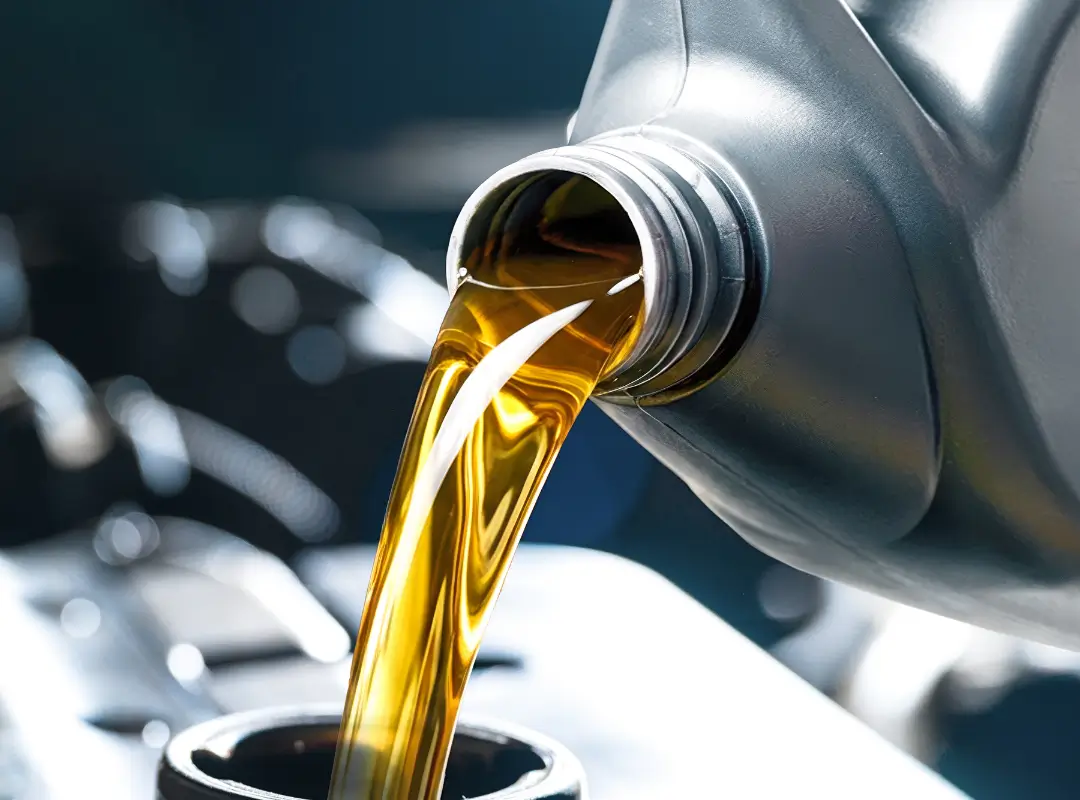
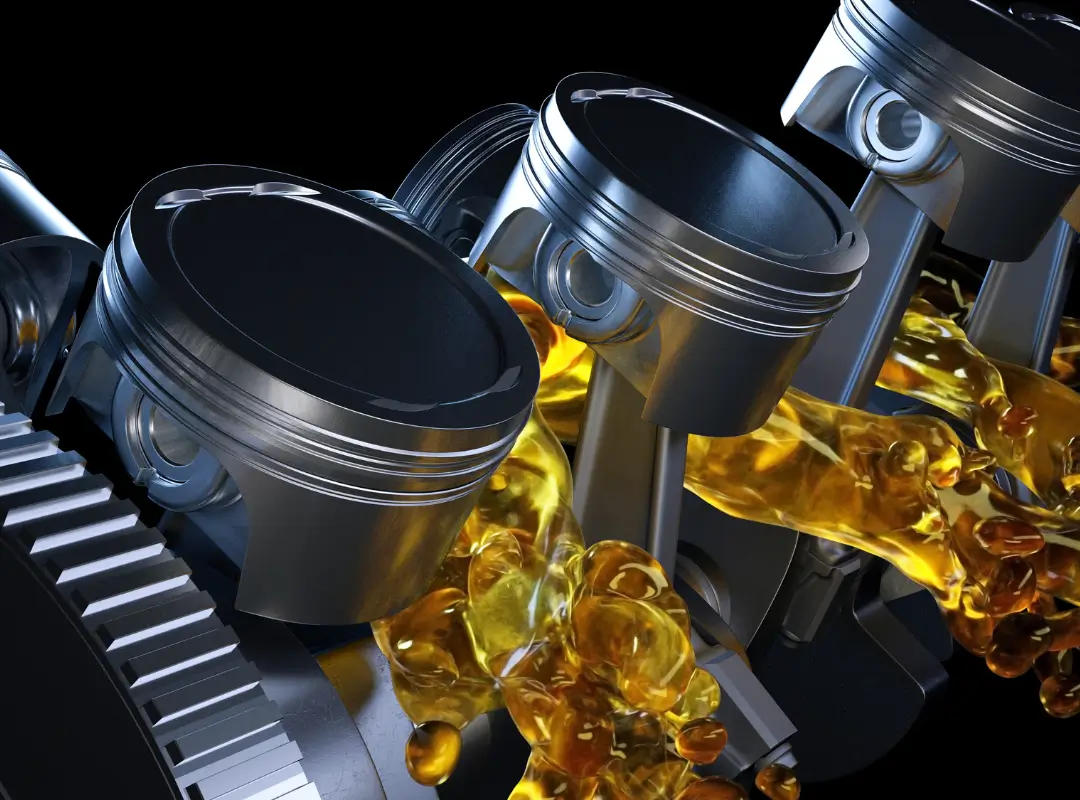
How Does Motor Oil Work in a Car Engine?
Your engine block is packed with rapidly moving parts. From the crankshaft to the bearings, these metal components are constantly moving at high speeds.
Better lubrication = Less friction.
Motor oil creates a thin film between these parts, preventing them from rubbing directly against each other. It also helps dissipate the intense heat generated by friction and combustion.
Plus, clean oil absorbs dirt, varnish, and sludge, carrying it to the filter to keep the engine clean. Without enough oil to do this job, you are setting the stage for premature wear. This is why knowing how maintenance affects your extended warranty validity is essential to keeping your coverage intact.
Signs You Are Running Low on Oil
How do you know if your vehicle is running low? Most cars give you a few warning signs before a complete malfunction. Keep a close eye out for:
- The Oil Pressure Light: This is the most obvious sign. If this light illuminates, it means your oil pressure has dropped to a critical level.
- Burning Oil Smell: If you have a leak and oil drips onto a hot exhaust pan, you will smell a distinct, acrid odor of burning oil.
- Engine Noise: Without proper lubrication, you will hear ticking, tapping, or knocking from the motor as metal components rub together.
- Poor Performance: You might notice a drop in mileage, sluggish power, or a rough idle.
If you notice any of these symptoms, pull over safely and turn off the engine. These types of warning signs are similar to other system failures, which is why understanding the difference between powertrain and drivetrain can help pinpoint the root cause.
Is Low Oil Dangerous for Your Ride?
Even if the gas tank is full and the battery is new, an engine needs its lubricant. When oil volume drops, the oil pump has to work harder. Normally, it pushes oil at a steady pressure, but low volume can let air into the system, causing the pressure to drop.
When your vehicle is low on oil, increased friction begins immediately. The thin film protecting your bearings and crankshaft breaks down. Hence, the metal surfaces begin to rub against each other. If major damage occurs, knowing whether an extended warranty covers transmission can give you insight into how similar high-cost components are typically protected.
This not only causes microscopic metal shavings to circulate through the system, but it also generates extreme heat. Overheating will warp the engine block and lead to a complete failure.
What Happens When Your Car Runs Out of Oil Completely?
If you ignore the warnings and the engine runs out of oil, the situation goes from bad to worse very quickly. Basically, a sequence of destructive events will happen in a matter of minutes.
Severe Oil Starvation
First, the engine experiences complete oil starvation. There is zero lubrication. The moving parts are now grinding against each other with immense force. The heat spikes dramatically because the oil’s cooling effect has been lost.
The Engine Will Seize
As the heat and friction reach their peak, the internal metal components will physically weld themselves together. The bearings will fail, the crankshaft will lock up, and the engine will seize. When a motor seizes, the vehicle will violently shut off, and you will lose all power.
At this point, you cannot simply add oil to fix the problem. The internal damage is irreversible. A seized engine usually means the motor is junk, and the whole thing needs to be replaced.
You will have to take the car to a garage or a dealer, and an engine replacement can cost anywhere from $4,000 to over $10,000, depending on the engine size and manufacturer. This is why many drivers compare options like an extended warranty vs. a car repair savings account before facing a major repair bill.
Guaranteed Protection For Your Vehicles
Drive your car with the peace of mind that comes with knowing you are fully protected with Nova Warranty.
Older Vehicles vs. A New Car
Does the age of your vehicle matter? Yes. Older vehicles naturally consume more oil as parts wear over time. You might need to add a quart of oil every 1,000 miles just to keep the level safe. A new car, however, should not consume noticeable amounts of oil. If a new vehicle is losing a gallon of oil between changes, take it to the dealer immediately, as there is a serious defect.
Regardless of the car’s age, checking your dipstick regularly is an easy habit to build.
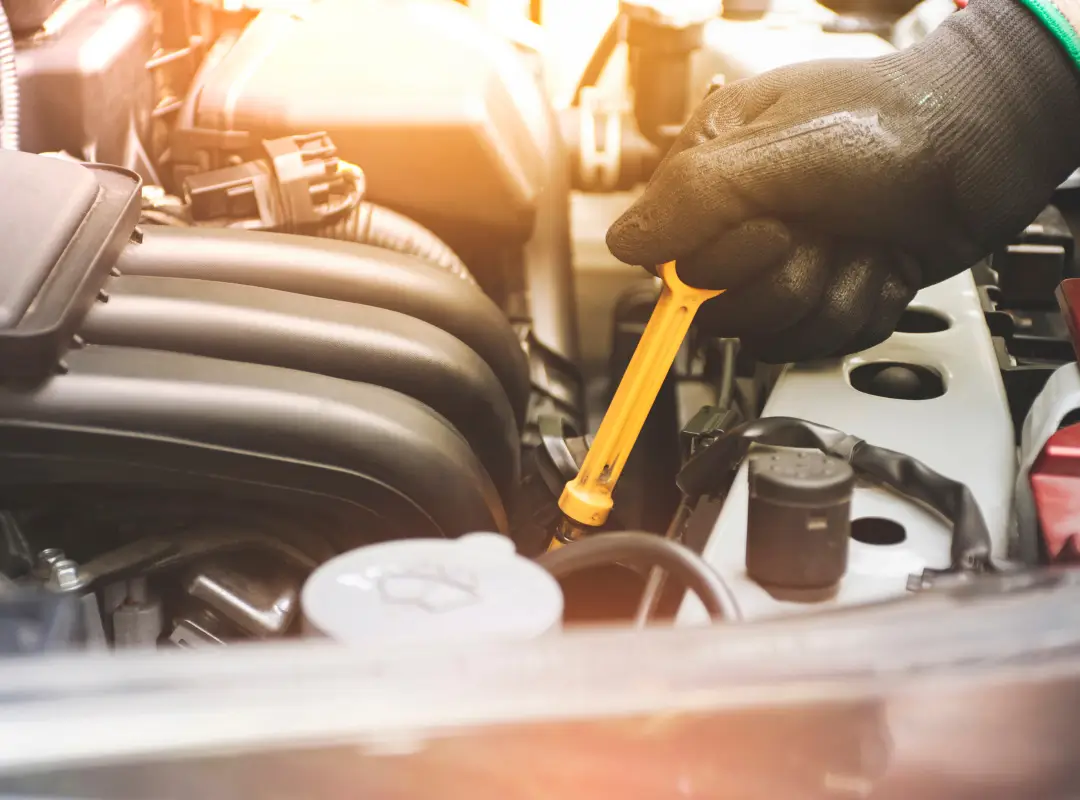
How to Check Your Oil Level
You do not need a mechanic to check your oil level. Here is how to do it:
- Park on level ground and let the engine cool.
- Open the hood and locate the dipstick (usually marked with a yellow or orange ring).
- Pull it out, wipe it clean with a rag, and fully reinsert it.
- Pull it out again and check where the oil reaches.
- If it is below the minimum mark, you need to add oil immediately.
Also, note the color. Clean oil is an amber color. Old oil is dark brown or black. If the oil on the dipstick looks like thick, gritty sludge, it is time for a change.
Protect Your Vehicle With Nova Warranty
Even with perfect maintenance, unexpected mechanical breakdowns can happen. A sudden failure in the oil pump or a blown seal can drain your oil quickly, leading to severe damage before you even realize what is happening. This is where having a robust protection plan saves the day.
Nova Warranty gives you total peace of mind. With our extended warranty plans, a catastrophic engine failure doesn’t have to drain your savings. We cover the major engine components, so you are never left stranded or footing a massive repair bill. Contact us now or visit our office at 300 Delaware Ave, Ste 210, Wilmington, DE 19801.
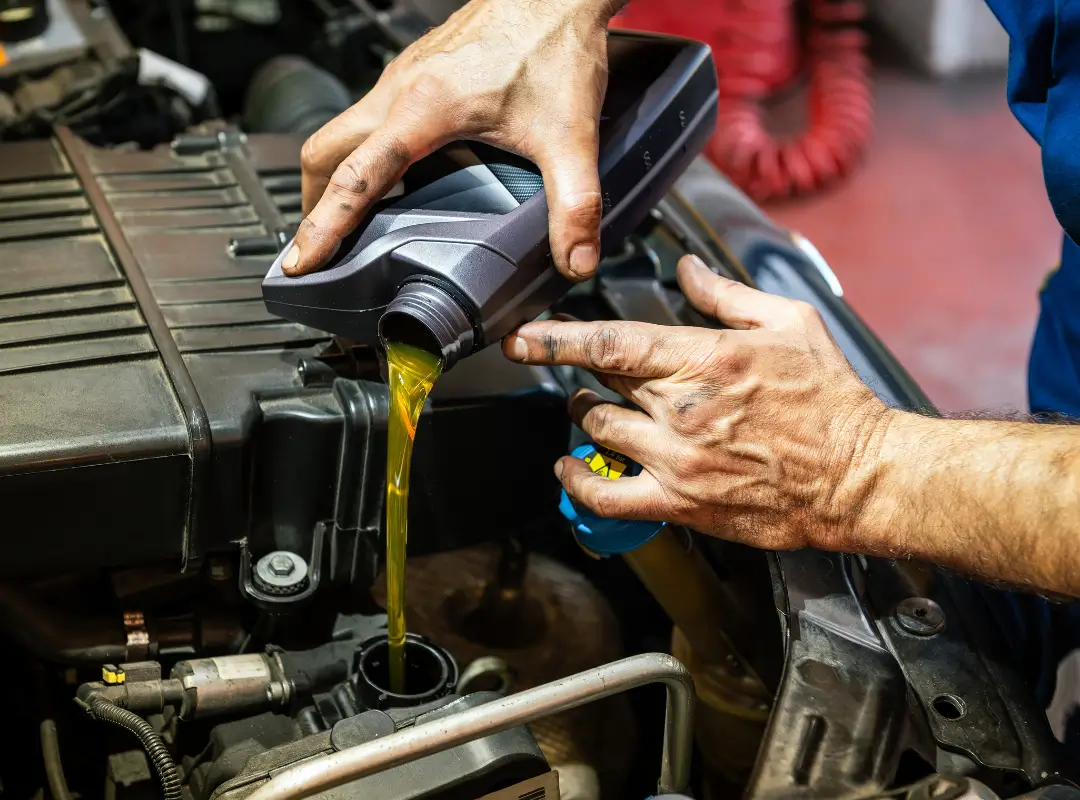
Final Thoughts
So, what happens when your car runs out of oil? Complete devastation. Without motor oil, increased friction and overheating will destroy the moving parts, leading to the engine seizing entirely. The repair costs are staggering, and the situation is completely avoidable.
Check your dipstick regularly, never ignore the oil pressure light, and stick to your recommended maintenance schedule. Add clean oil when needed, fix any leaks promptly, and protect your investment. Remember, Nova Warranty is here to help when the unexpected occurs.
What Sets Nova Warranty Apart?
Quick Response Time
Call now and enjoy our immediate response time.
Competitive Pricing
We make sure you get the best coverage for your money.
Daily Customer Service
Our team is available to help with all of your needs. We are always just a call away.
Comprehensive Coverage
We cover a wide range of vehicles, including luxury, exotic, daily drivers, and supercars.
FAQs
What should I do if my oil pressure light comes on?
Pull over safely as soon as possible and shut off the engine. Check your oil level using the dipstick. If it is low, add oil before restarting. If the level is fine, the pump might be failing. Contact Nova Warranty for reliable roadside assistance and repair coverage.
Can a car recover from running out of oil?
It depends on how long it ran dry. If you catch it immediately and add oil, it might survive with minor premature wear. If the engine stalls or seizes, the internal damage is permanent, and the motor must be replaced. Nova Warranty can help cover these catastrophic failures.
How often should I check my oil level?
You should check your oil level at least once a month, or every time you fill up your gas tank. This is especially important for older vehicles that are more likely to burn or leak oil. Catching a low level early prevents severe engine damage. Protect your car with Nova Warranty.
Why does my car burn oil?
Burning oil usually occurs when internal engine components, such as piston rings or valve seals, wear out. If your car consumes excessive oil, have a mechanic inspect it. Nova Warranty covers many of these essential engine repairs. Electrical system strain can also contribute to performance issues, making it worth reviewing the 8 signs your alternator might be failing.
Is it safe to drive with an oil leak?
Driving with a minor oil leak is risky, but possible if you constantly check the dipstick and add oil. However, a sudden large leak can cause oil starvation and destroy your engine in minutes. Get leaks repaired promptly. Nova Warranty offers comprehensive plans to cover unexpected fluid leaks and mechanical breakdowns.