- Air Conditioning / Heating
- Compressor
- Compressor Clutch
- A/C High Pressure Compressor Cutoff Switches & Heater Core
- A/C Low Pressure Compressor Cutoff Switches & Heater Core
- Evaporator Core
- Condenser
- Field Coil
- Accumulator
Use NOVA450 & Get Up to $450 Off Your 1st Warranty!

We offer the best warranty for all kinds of cars, including luxury, exotic, daily drivers, and even supercars.
The short answer is usually no. Most extended warranties focus on mechanical and electrical components rather than cosmetic issues such as paint damage, fading, scratches, or peeling. However, there are some exceptions involving factory defects, manufacturer paint warranties, and specialized protection plans. Understanding the difference can help you avoid surprises and protect your vehicle’s appearance.
In most cases, extended auto warranties do not cover paint. A typical extended car warranty covers repairs to major vehicle systems, such as the engine, transmission, suspension, air conditioning, and electrical components. These plans help protect you from unexpected repair costs after the original vehicle warranty expires. Paint issues are generally considered cosmetic rather than mechanical. As a result, most extended warranties exclude paint damage from standard coverage.
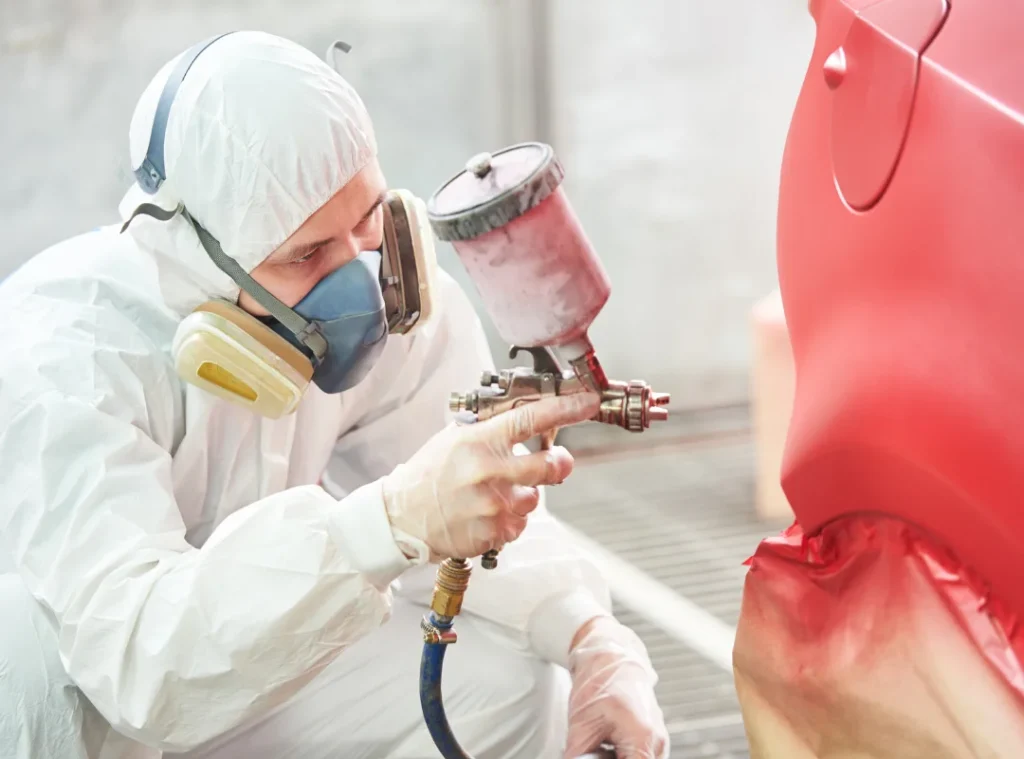
That said, paint coverage may be available through a separate paint warranty, appearance protection plan, or manufacturer-backed warranty that addresses factory-related paint defects. Before purchasing any coverage, review the contract details carefully so you understand exactly what is and is not included.
A new car often includes some level of paint protection through the vehicle warranty provided by the car manufacturer. This coverage is different from an extended warranty.
Most manufacturers cover defects in the original factory-applied paint for a specific period. If the paint starts peeling, cracking, or separating because of a factory defect, the manufacturer may repair the affected area under warranty.
Coverage terms vary by manufacturer. Some brands provide paint defect coverage for up to three years or 36,000 miles, whichever comes first. Others may offer different timeframes depending on the vehicle and warranty program. If you notice unusual paint issues during the warranty period, contact your dealership promptly. You may need proof of maintenance and ownership records to support a claim.
When a paint warranty applies, it typically covers defects related to manufacturing or materials.
Examples may include:
In these situations, the extended car warranty covers defects that originated during production rather than damage that occurred after you purchased the vehicle. Manufacturers generally inspect the affected area before approving repairs. The dealership may also request photographs or additional documentation.
Common exclusions include:
For example, if your hood develops rock chips from highway driving or your bumper gets scratched in a parking lot, the warranty will not typically cover the repair. Likewise, if paint loses its shine due to age, weather exposure, or improper care, most warranties will not provide coverage.
Many vehicle owners assume that fading automatically qualifies for warranty repairs. In reality, coverage depends on the cause. Most manufacturers’ paint warranties do not cover normal wear, gradual fading, or dulling that develops over time. Exposure to sunlight, weather conditions, road debris, and environmental factors naturally affects a vehicle’s appearance.
Some extended auto warranty plans specifically state that they do not cover dulling caused by age or neglect. Others may cover fading only when a manufacturing defect is clearly identified. Regular washing and waxing can help protect paint from premature deterioration. Following the maintenance recommendations in your owner’s materials can also help preserve the finish.
Yes. Appearance protection plans are often the best option if protecting your vehicle’s paint is a priority.
Unlike traditional extended warranties, these plans focus on cosmetic protection. Depending on the provider, they may cover:
Coverage varies significantly among providers, so confirm the exclusions and limitations before purchasing a plan. Many dealerships offer appearance protection packages when customers purchase a new car. Independent providers may also offer standalone options.
Need a Saturn extended warranty, Pontiac extended warranty, Bentley extended warranty, Hummer extended warranty, Lotus extended warranty, or Aston Martin extended warranty? Contact us now to get an instant car warranty quote!
Paint and rust protection are often linked because damaged paint can expose underlying metal surfaces. Many vehicle warranties include separate rust-through coverage that applies when corrosion creates a hole in the body panel. However, rust coverage is different from paint coverage.
If peeling paint results from a manufacturing defect that causes corrosion, the manufacturer may evaluate both issues together. In most situations, though, rust protection and paint protection remain separate warranty categories.
Always review the warranty booklet to understand the specific extended warranty coverage available for your vehicle.
Yes. Addressing paint damage early can help prevent more expensive repairs later.
Small chips, scratches, and surface damage can expose underlying materials to moisture and contaminants. Over time, this can create additional problems, including corrosion and deterioration of appearance.
Simple preventive steps can help protect your vehicle:
These habits can help preserve your vehicle’s finish and maintain its value.
At Nova Warranty, we encourage drivers to understand both mechanical and cosmetic protection options so they can make informed coverage decisions.
Before purchasing an extended warranty or protection plan, review the exclusions carefully.
Ask questions such as:
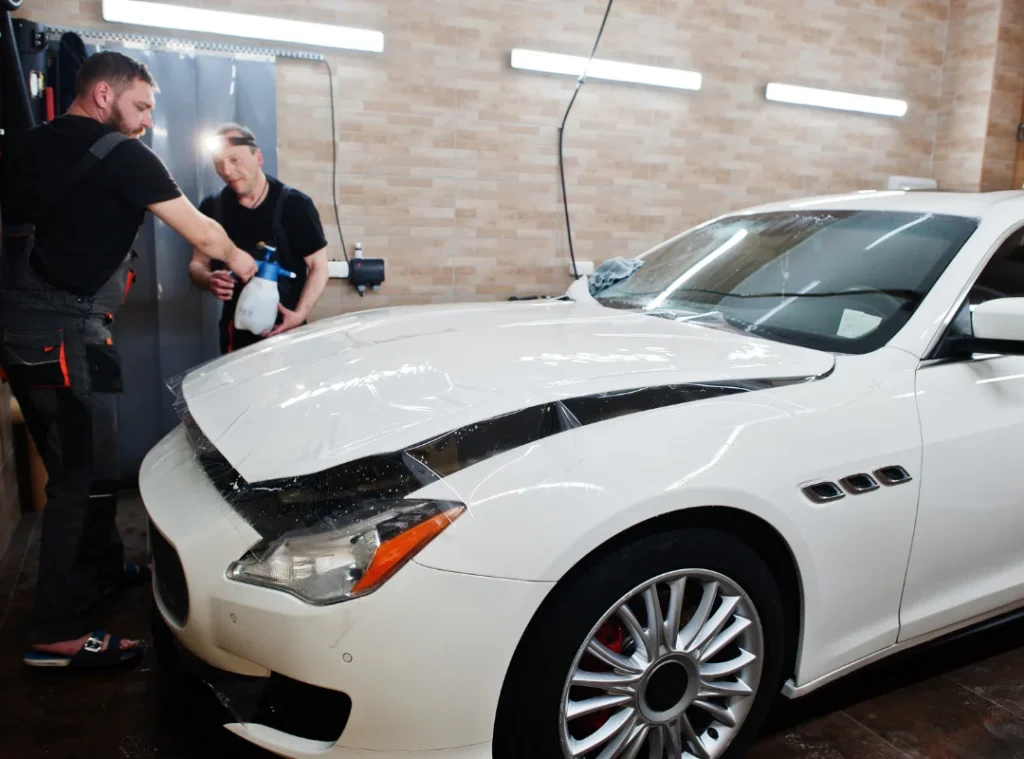
Many customers assume all vehicle issues fall under warranty protection. In reality, coverage depends on the specific contract and provider.
At Nova Warranty, we help customers understand coverage details before they enroll, making it easier to choose the right protection plan for their needs.
So, do extended car warranties cover paint? In most cases, no. Standard extended warranties focus on mechanical repairs rather than cosmetic concerns such as scratches, fading, peeling, or paint damage. However, manufacturer paint warranties may cover factory defects, and appearance protection plans can provide additional protection for your vehicle’s finish.
The key is understanding the differences between warranty types and reviewing coverage details before purchasing a plan. Doing so helps you protect both your vehicle and your budget.
Call now and enjoy our immediate response time.
We make sure you get the best coverage for your money.
Our team is available to help with all of your needs. We are always just a call away.
We cover a wide range of vehicles, including luxury, exotic, daily drivers, and supercars.
Our plans also include valuable benefits such as roadside assistance, towing assistance, rental benefits, and additional protection features. To learn more about available coverage options, contact us at 888 490-6672 and get a free extended warranty quote today.
A: Usually no. Most extended warranties focus on mechanical and electrical components and do not cover cosmetic issues such as paint damage, scratches, fading, or peeling.
A: It can be. Many manufacturers provide limited coverage for defects in the original factory-applied paint during the new vehicle warranty period.
A: A car warranty may cover paintwork if the issue results from a factory defect. Damage caused by normal wear, environmental factors, accidents, or neglect is generally excluded.
A: Most extended warranties do not cover routine maintenance, cosmetic damage, paint repairs, scratches, brake pads, tires, wear items, or damage caused by accidents.
A: Nova Warranty’s standard vehicle service contracts focus primarily on mechanical and electrical repairs. Contact us at 888 490-6672 to discuss available coverage options and plan details.