Use NOVA450 & Get Up to $450 Off Your 1st Warranty!

Use NOVA450 & Get Up to $450 Off Your 1st Warranty!
How to Clean a Catalytic Converter Without Removing
Before you panic about a costly replacement converter, there is good news. You might not have to replace it just yet. Many car owners ask: “How to clean a catalytic converter without removing it?” The answer is a definitive yes, provided the damage isn’t too severe.
Let’s explore the mechanical engineering behind your emissions system, why carbon deposits form, and exactly how you can clean a catalytic converter right in your driveway. We will cover the best practices, what fuel additive to use, and how to avoid an expensive repair bill.
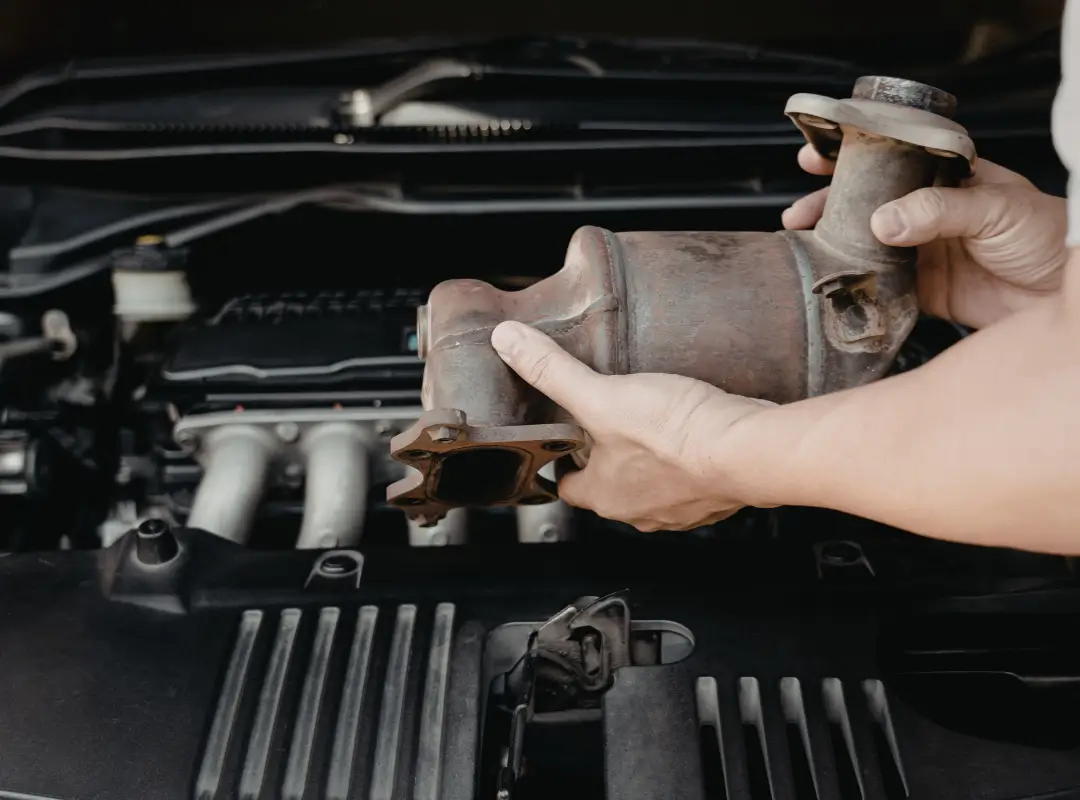
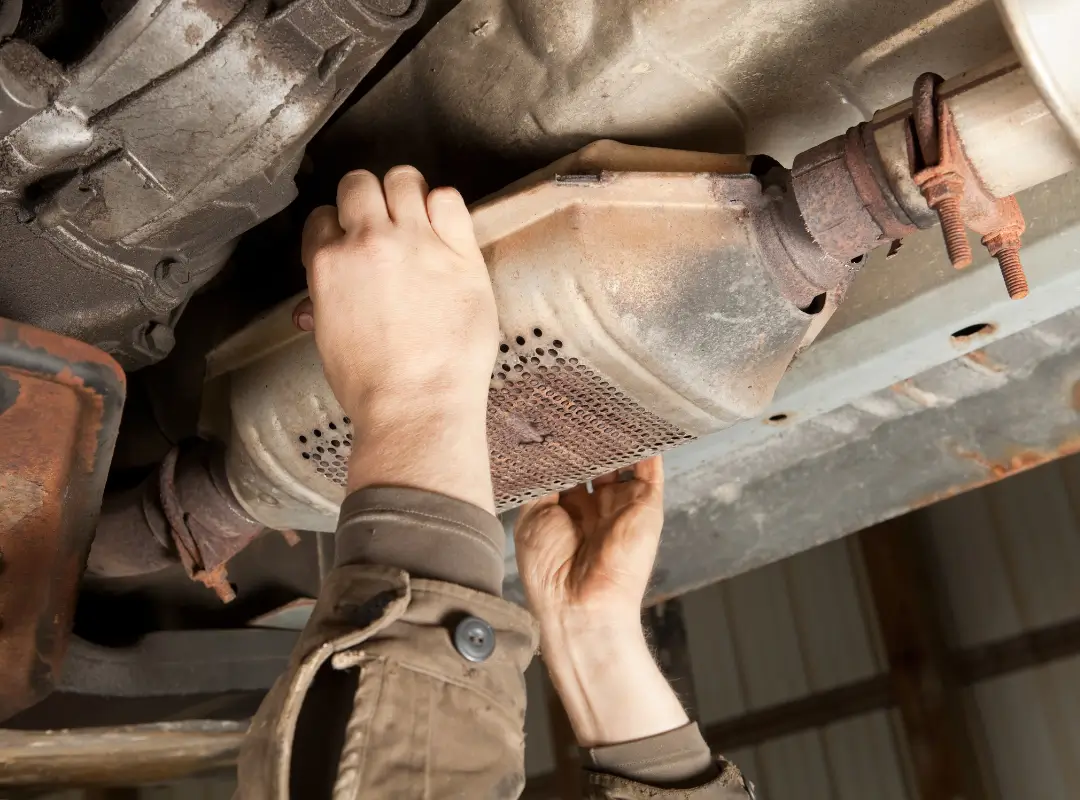
Understanding Your Catalytic Converter & Why It Fails
So, why does it fail? Over time, carbon buildup, unburned fuel, soot, and oil consumption issues can coat the catalyst’s internal surface. If your car suffers from clogged crankcase ventilation, worn piston rings, or bad injectors, excess oil and gas can make their way into the exhaust.
Even short trips where the exhaust doesn’t reach optimal high temperatures can cause deposits to accumulate. Plus, using leaded fuel (in older vehicles) or poor-quality gasoline can severely impact the service life of the cat.
The symptoms? You will likely experience a rough idle, reduced engine performance, a drop in fuel economy, and that stubborn engine light. If you are unsure about emissions coverage, reviewing whether extended car warranties cover catalytic converters can clarify what is included in your plan.
Can You Clean a Catalytic Converter Without Removing It?
Yes. If the internal honeycomb structure is simply coated with soot and carbon, a thorough cleaning can restore its function. Using a specialized catalytic converter cleaner can break down deposits, allowing the system to burn them off naturally.
However, if the cat is severely clogged to the point that the engine overheats, or if you hear loose parts rattling inside, cleaning fails. A rattling noise usually indicates that the catalyst is physically damaged.
In that case, no liquid fix will help, and a complete replacement is your only option. When major components fail, understanding whether an extended warranty covers the transmission can provide insight into how high-cost systems are typically protected.
Choosing the Right Catalytic Converter Cleaner
When selecting a catalytic converter cleaner, look for one that is compatible with your specific vehicle, whether it runs on gasoline or diesel. These cleaners are formulated with powerful solvents that travel through the fuel tank, into the combustion chamber, and down through the exhaust system to scrub the catalyst material and oxygen sensors.
Always follow the instructions on the bottle. Using more than the recommended amount won’t necessarily yield better results and could potentially harm other system components.
Guaranteed Protection For Your Vehicles
Drive your car with the peace of mind that comes with knowing you are fully protected with Nova Warranty.
How to Clean a Catalytic Converter Without Removing
So, how do you actually do it? The process is surprisingly straightforward and requires zero removal or access tools.- Check for Exhaust Leaks and Faulty Sensors: Before pouring anything into your gas tank, inspect the exhaust for leaks. A faulty sensor (such as an oxygen sensor) can sometimes trigger a false code. Confirm the issue is actually carbon buildup.
- Pour the Cleaner into the Fuel Tank: Wait until your fuel tank is at about a quarter full. Pour the exact recommended amount of the converter cleaner directly into the tank.
- Drive at Highway Speeds: This is the most crucial step. Start your car and take it for a drive on the highway for at least 30 to 50 miles. Why? The engine and exhaust need to reach high temperatures to activate the chemicals in the cleaner and properly burn off the carbon deposits.
- Refuel and Clear the Code: Once you have run the treated fuel through the system, fill up your tank with high-quality gasoline. Use an OBD-II scanner to clear the check engine light and see if it comes back.
Dealing With Loose Parts and Physical Damage
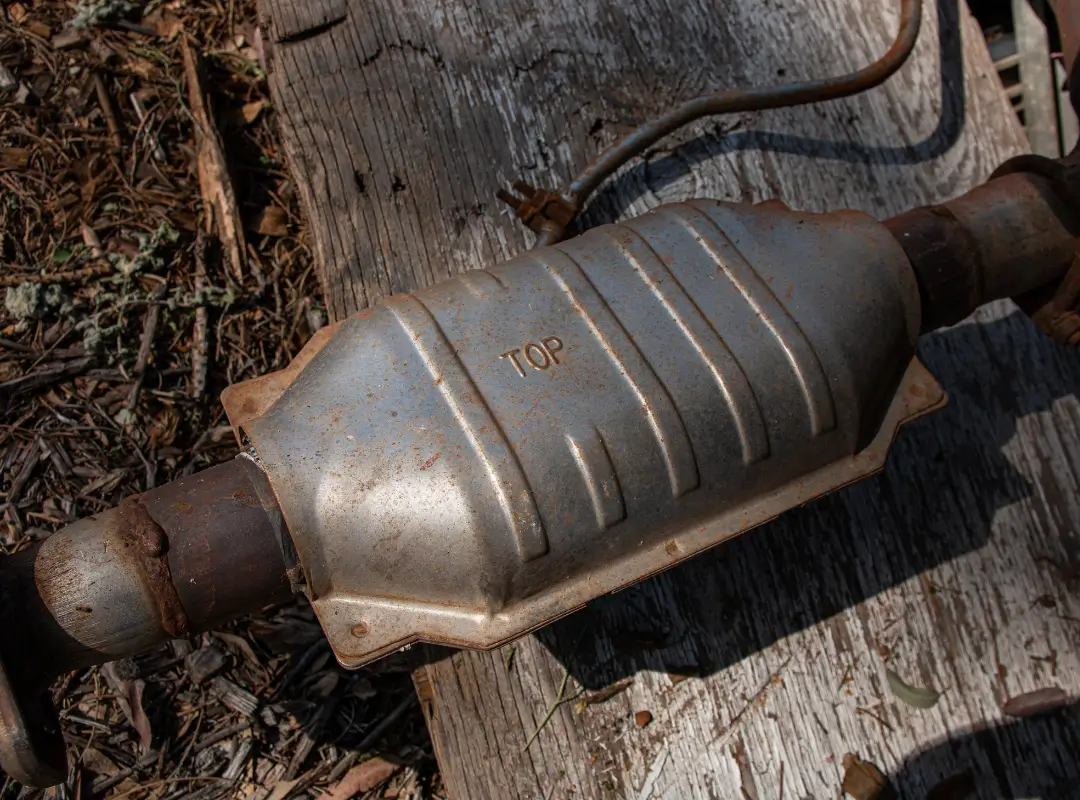
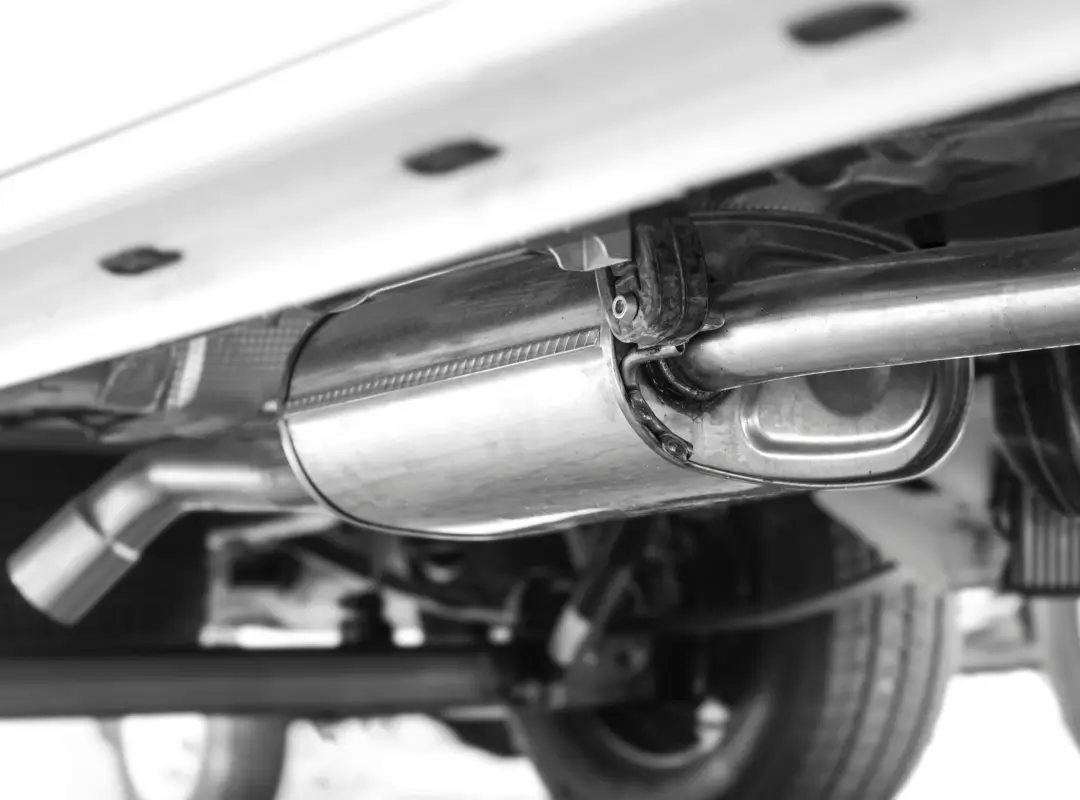
As mentioned earlier, if you crawl under your car, tap the cat with a rubber mallet, and hear loose parts rattling, the cleaning process is useless. That sound indicates the ceramic catalyst has shattered. A severely clogged or broken cat restricts exhaust flow so much that exhaust gases back up into the engine.
This can cause severe overheating and catastrophic engine failure. In this scenario, you must replace the unit. Do not try to pressure wash it or remove the guts, as this will fail emissions tests and is illegal in many regions.
Protect Your Investment with Nova Warranty
Even with perfect maintenance, parts fail. A replacement converter can cost between $1,500 and $3,500, depending on the vehicle. This is why having a reliable extended warranty is a game-changer.
At Nova Warranty, we provide the best extended warranty plans for all kinds of cars, including luxury, exotic, daily drivers, and even supercars. When unexpected mechanical breakdowns happen, you shouldn’t have to drain your savings.
Nova Warranty offers extended warranty plans that cover major systems, ensuring you have peace of mind every time you turn the key. Contact us now or visit our office at 300 Delaware Ave, Ste 210, Wilmington, DE 19801.
What Sets Nova Warranty Apart?
Quick Response Time
Call now and enjoy our immediate response time.
Competitive Pricing
We make sure you get the best coverage for your money.
Daily Customer Service
Our team is available to help with all of your needs. We are always just a call away.
Comprehensive Coverage
We cover a wide range of vehicles, including luxury, exotic, daily drivers, and supercars.
Frequently Asked Questions (FAQs)
Can you really clean a catalytic converter without removing it?
Yes. By using a specialized catalytic converter cleaner poured directly into your fuel tank, you can safely dissolve carbon deposits and soot. If the part completely fails, Nova Warranty offers excellent protection plans.
Will a converter cleaner fix a broken catalytic converter?
No. If the internal catalyst material is broken or melted, or if you hear loose parts rattling inside the casing, a cleaner will not fix it. If a claim is denied, understanding how to dispute extended warranty coverage denials can help you recover eligible repair costs.
How often should I use a catalytic converter cleaner?
It is generally recommended to use a fuel additive or converter cleaner every 30,000 to 50,000 miles as preventive maintenance, especially if you take many short trips. For long-term peace of mind, consider a Nova Warranty plan.
Is lacquer thinner safe to use as a converter cleaner?
Lacquer thinner can degrade fuel lines, seals, and plastic components in your fuel system. It is much safer to use a purpose-built catalytic converter cleaner to avoid expensive damage. Nova Warranty recommends using only approved automotive products.
Why did my catalytic converter get clogged in the first place?
Converters typically clog due to underlying engine issues like excessive oil consumption, unburned fuel from faulty injectors, or clogged crankcase ventilation. Short trips that prevent the exhaust from reaching high temperatures also contribute to carbon deposits.