Use NOVA450 & Get Up to $450 Off Your 1st Warranty!

Use NOVA450 & Get Up to $450 Off Your 1st Warranty!
How to Fix a Fuel Pump Without Replacing It
The immediate malfunction in the fuel pump leaves you sitting on the shoulder, waiting for a tow truck, and wondering how much this problem will cost you. A mechanic might tell you it is a bad fuel pump and suggest a costly replacement. But is that always necessary?
Many car owners realize too late that a complete replacement isn’t always the only method. Sometimes, the problem is a clog, a disconnected line, or a dirty filter.
Better diagnostics = Fewer unnecessary repairs.
In this post, we will explain how to fix a fuel pump without replacing it, help you identify the signs of a faulty unit, and show you how to diagnose the issue before replacing it.
Understanding Your Fuel System
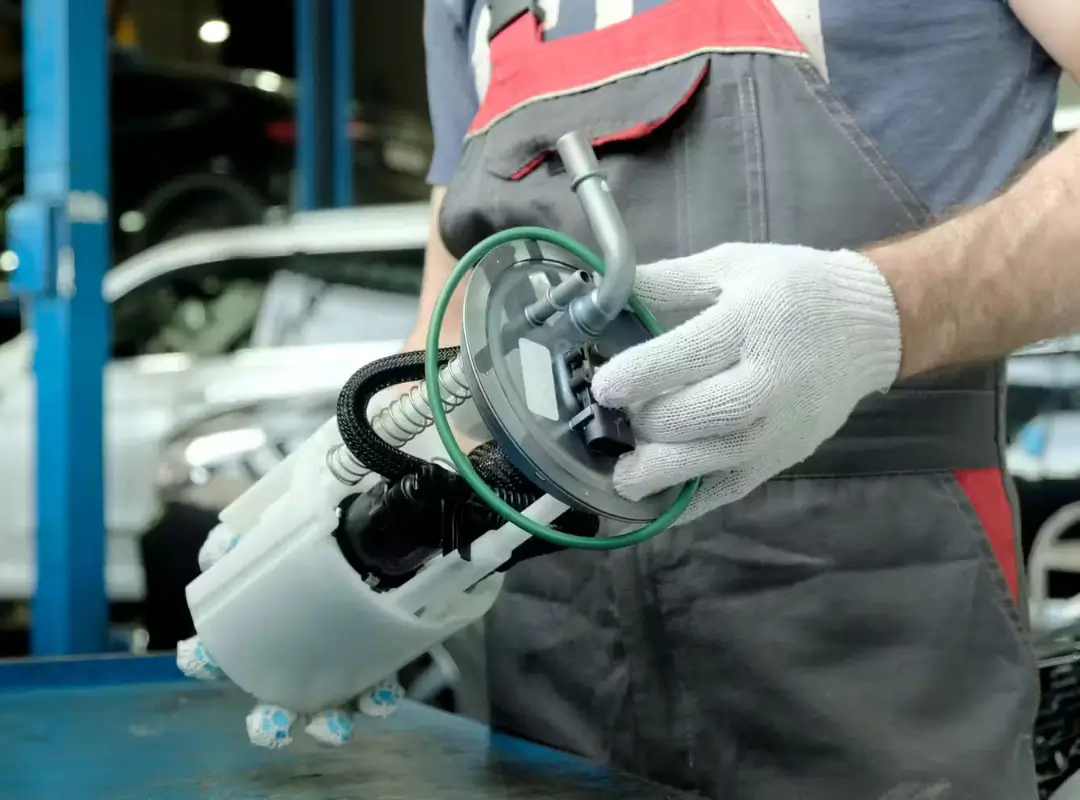
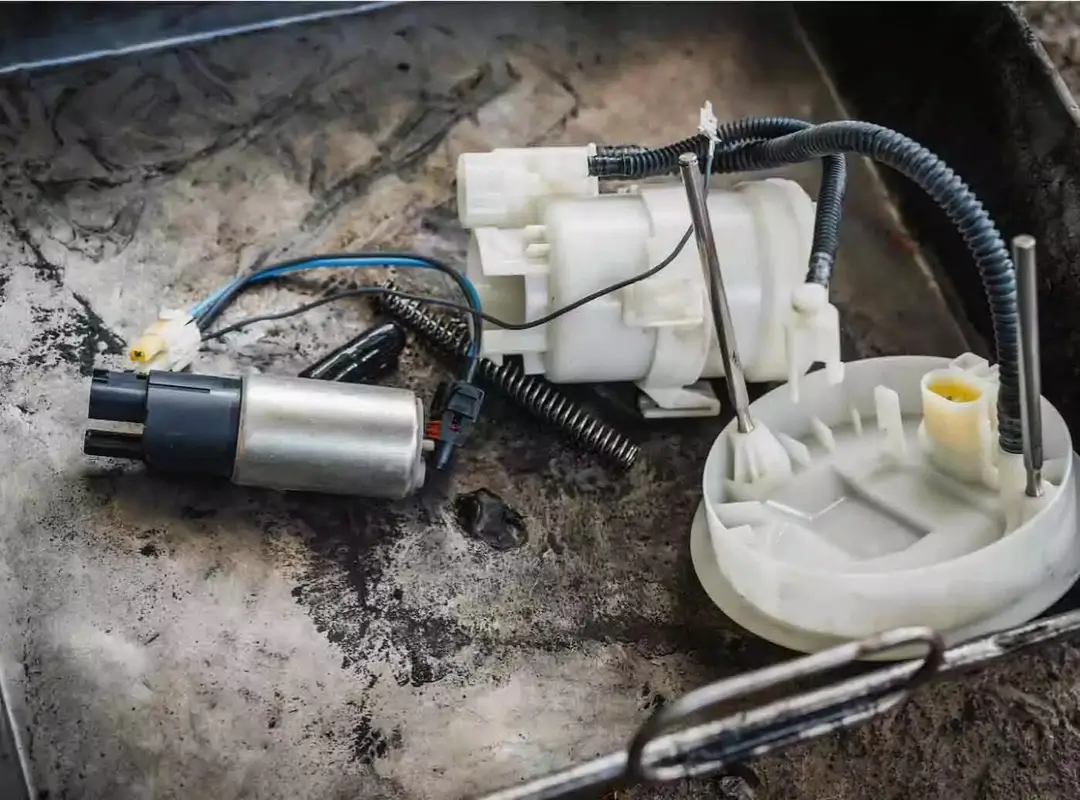
Before you can determine what is wrong, it helps to understand how your fuel system operates. The fuel pump is typically mounted inside the gas tank. Its job is to push gas through the fuel lines, past the fuel filter, and into the engine where the injectors spray it for combustion.
When everything is working properly, the pump maintains proper pressure and flow to deliver your engine with enough fuel. But when pressure starts dropping, symptoms appear. Heat and overheating can damage the pump body, or dirt can restrict the flow. If you neglect routine maintenance, you might experience a malfunction.
Routine maintenance plays a major role in preventing failures, which is why understanding how it affects your extended warranty coverage is essential for long-term vehicle protection.
Signs of a Bad Fuel Pump
How do you know if you are actually dealing with a bad fuel pump? You will usually notice a few telltale signs while driving or idling.
- Sputtering at high speeds: If your car suddenly jerks or loses power while driving at a consistent speed, the pump might be struggling to deliver enough fuel.
- Loss of power under stress: Driving up a hill or towing a heavy load requires extra gas. If the pump is weak, the engine will cut out or reduce power.
- Surging: Does your vehicle suddenly accelerate even when you do not push the gas pedal? This can happen when the pump sends too much fuel due to irregular pressure.
- Engine will not start: If you turn the key and hear the starter motor run, but the engine won’t catch, you might not be getting any fuel at all.
- Whining noise from the fuel tank: A healthy pump hums quietly. If you hear a loud whine from the back of the car, it is a cry for help.
In many cases, this issue overlaps with broader system failures, making it useful to distinguish between powertrain and drivetrain warranties when diagnosing the source of the problem.
How to Fix a Fuel Pump Without Replacing It
Nearly 25% of fuel pump replacements in the automotive world are misdiagnosed. Often, the pump itself hasn’t failed; rather, something else in the fuel system is preventing it from working correctly. Here is how to begin a fuel pump repair without just throwing new parts at the vehicle.
Before committing to costly repairs, it is worth reviewing whether an extended warranty covers transmission to better understand how major component coverage typically works across similar systems.
Start with the Fuel Filter
Before assuming the fuel pump is faulty, check the fuel filter. The filter traps dirt and debris before they reach the engine. Over time, it can clog. A severely restricted filter forces the pump to work harder, leading to overheating and low flow.
Replacing a clogged filter is cheap and easy. You can usually find a replacement at any local auto parts store for under $20. If removing the old filter and installing a clean one restores your power and idle, you just fixed the fuel pump without replacing it!
Clean the Fuel Lines & Injectors
Sometimes, the problem isn’t the pump body or the tank, but the lines themselves. Debris can build up, restricting flow. You can use a dedicated fuel system cleaner to help clear minor blockages. Pour it directly into the gas tank. While this won’t fix a completely dead pump, it can clean up a dirty system, restore proper flow, and reduce stress on the pump mechanism.
Check Electrical Connections
Your pump requires electricity to run. A loose wire, a blown fuse, or a bad relay can mimic a dead pump. Before removing the gas tank to access the pump, check your fuse box. Pull the fuel pump relay and test it. Also, inspect the wiring harness leading to the tank.
If a wire is disconnected or corroded, a simple electrical fix will get you back on the road. Electrical failures can escalate quickly, so recognizing early warning signs like those outlined in 8 signs your alternator might be failing can help you avoid bigger system issues.
Guaranteed Protection For Your Vehicles
Drive your car with the peace of mind that comes with knowing you are fully protected with Nova Warranty.
What is a Faulty Fuel Pump
We must be honest with our community. If the pump’s internal motor has burned out or the impeller is shattered, there is no magic fuel pump repair trick. You cannot rebuild a sealed electric pump mounted inside a fuel tank. In that specific example, a full replacement is unavoidable.
This is also a great time to talk about protecting your investment. Unexpected breakdowns can drain your wallet. But with the right vehicle protection, you don’t have to worry. Nova Warranty is here to help.
With our extended warranty plans, a major fuel system failure doesn’t have to ruin your month. If your vehicle breaks down unexpectedly, knowing how to handle a car breakdown can make a stressful situation far more manageable.
Final Thoughts
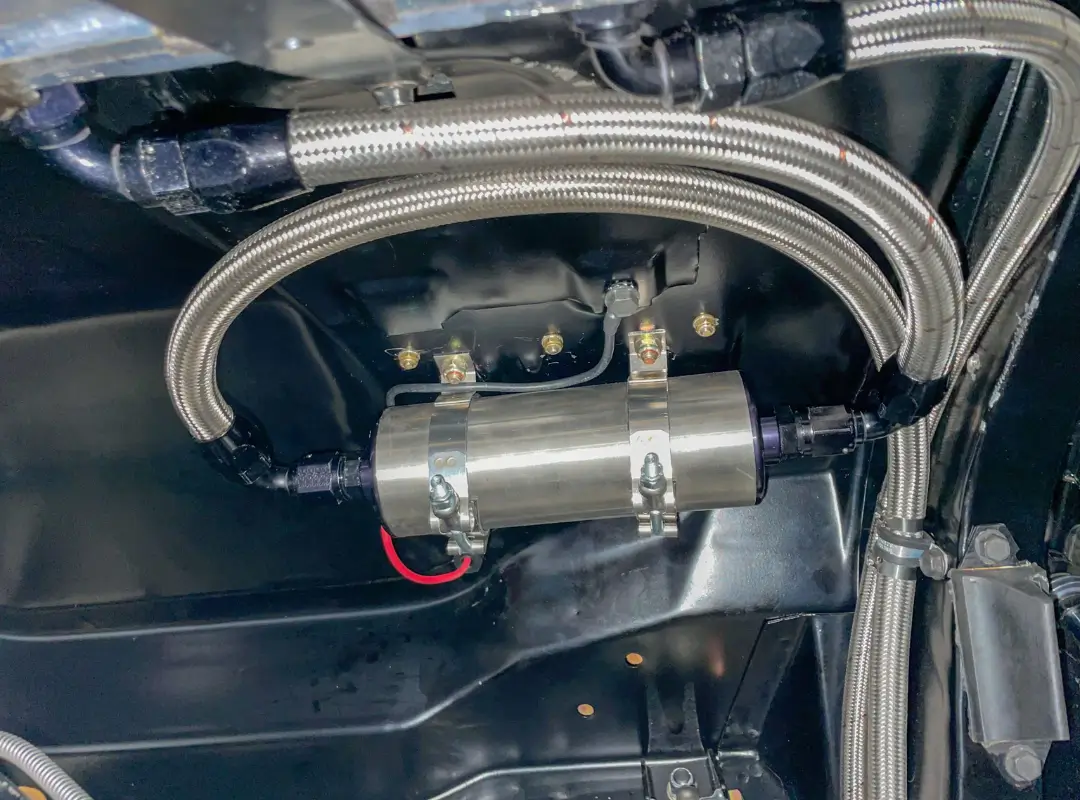
Dealing with engine sputtering and power loss is never fun. But before you panic and pay a mechanic thousands of dollars, take a step back. Diagnose the problem. Check the fuel filter, inspect the electrical connections, and attach a fuel pressure gauge to see what is really going on.
You might just find that a simple fix gets your car running smoothly again. And if you do end up needing a major repair, having a reliable protection plan makes all the difference. Choose Nova Warranty for your peace of mind, keep your vehicle maintained, and drive with confidence knowing you are protected for the road ahead.
Finance an Extended Warranty Smartly with Nova Warranty
Many drivers put off buying an extended warranty because of the upfront cost, only to face expensive repairs later, and by then, it’s too late. Waiting can limit your options and increase your long-term costs.
Nova Warranty helps you move forward sooner by offering flexible financing options. If you want manageable monthly payments or bundled service contracts, we offer protection plans that cover major components, include roadside assistance, and fit your budget without straining your budget.
Contact us now or visit our office at 300 Delaware Ave, Ste 210, Wilmington, DE 19801.
What Sets Nova Warranty Apart?
Quick Response Time
Call now and enjoy our immediate response time.
Competitive Pricing
We make sure you get the best coverage for your money.
Daily Customer Service
Our team is available to help with all of your needs. We are always just a call away.
Comprehensive Coverage
We cover a wide range of vehicles, including luxury, exotic, daily drivers, and supercars.
FAQs
Can a clogged fuel filter mimic a bad fuel pump?
Yes, absolutely. A severely clogged fuel filter restricts the flow of gas to the engine. This causes symptoms such as sputtering, power loss, and stalling, which are identical to those of a failing pump. Replacing the filter often solves the problem.
How do you test fuel pressure at home?
You can test it using a fuel pressure gauge. Attach the gauge to the test port on your engine’s fuel rail. Turn the ignition on without starting the engine, and compare the PSI reading on the gauge to your vehicle’s factory specifications.
Is it safe to drive with a faulty fuel pump?
No, it is highly discouraged. Driving with a failing pump can cause your engine to stall unexpectedly, which is dangerous at highway speeds. It can also cause the engine to run lean, potentially leading to overheating and severe internal engine damage.
Will my extended warranty cover fuel pump replacement?
Most comprehensive extended warranties cover the fuel pump and related fuel system components. Nova Warranty offers excellent coverage plans that protect you from these exact types of unexpected mechanical breakdowns, saving you from expensive out-of-pocket repair bills.
Can I clean my fuel pump instead of replacing it?
You cannot easily clean the internal mechanisms of an in-tank electric fuel pump. However, you can clean the external strainer (sock) attached to the pump, and use fuel system additives to clean the fuel lines and injectors, improving overall system flow. Understanding coverage limitations is also important, especially when reviewing topics like whether extended car warranties cover catalytic converters for related exhaust system concerns.